
Can you imagine telling someone that, in barely a decade, cannabis would go from being a persecuted and demonised plant to starring in political debates, scientific studies and even family after-dinner conversations? Well, that’s exactly what happened. And today, from Alchimia, we want to look back on a decade that changed absolutely everything.
The 2010s represented the moment when cannabis came out of the shadows and entered the global public conversation. Millions of people discovered that medical marijuana could improve patients’ lives. At the same time, entire states in the US were opening the doors to recreational use, while countries like Uruguay were blazing unprecedented trails in international regulation.
But the revolution wasn’t just political — far from it! These were also epic years for growers and users alike. New American genetics flooded the market, modern extractions took potency to a whole new level, and social media connected global cannabis culture like never before.
Will you join us on this journey through the decade that transformed marijuana? Make yourself comfortable — there’s a lot to tell.
The United States and the beginning of recreational legalisation
The year 2012 marked a before and after that still gives us goosebumps. Colorado and Washington became the first American states to legalise the recreational use of cannabis for adults. Yes, you read that right: recreational and legal!
After decades of the War on Drugs, mass arrests and prohibitionist propaganda that seemed immovable, millions of people could finally buy cannabis legally at authorised dispensaries. The images went around the world: huge queues outside marijuana shops, growers operating in broad daylight and users purchasing flowers or extracts without hiding. And the supposed chaos that the most conservative sectors had predicted? It never came.
Instead of the apocalypse, states began collecting millions in taxes while the debate spread like wildfire. California, Nevada, Massachusetts, Michigan and Illinois would all follow the same path during the decade. For the first time in a long while, prohibition was starting to look truly vulnerable.
But while recreational cannabis advanced in the US, an even more powerful revolution was changing the public perception of our favourite plant: medical cannabis.
The rise of medical cannabis and the CBD explosion
Although medical cannabis had existed for decades, the 2010s marked its true global expansion. And what an impact it had.
Thousands of patients began using cannabis to treat various conditions. But it was especially the case of certain children with treatment-resistant epilepsy that moved international public opinion. Suddenly, entire families were publicly defending the therapeutic use of the plant, and the images of those children improving thanks to cannabis were impossible to ignore.
And then CBD arrived and changed everything. Cannabidiol made it possible to bring cannabis closer to social groups that had never been interested in psychoactive marijuana. Oils, creams, capsules and CBD-rich flowers began to multiply in grow shops, herbalists and specialised stores. Many people then discovered that cannabis was far more complex and beneficial than decades of propaganda had tried to make them believe!

Science also accelerated impressively. Concepts like cannabinoids, terpenes and the famous entourage effect became enormously popular, broadening the understanding of the plant’s therapeutic potential. Chances are you yourself learned some of these terms during those years, right?
And while doctors and scientists were researching new medical applications, American breeders were revolutionising something equally fascinating: cannabis genetics.
New genetics: Cookies, Gorilla Glue and the terpene revolution
If the 90s brought the expansion of European seed banks, the 2010s were dominated by the genetic explosion coming from the United States, especially from California. And what an explosion!
The appearance of strains like Girl Scout Cookies, Gelato, Gorilla Glue, Zkittlez and Sunset Sherbert completely changed the rules of the game. It was no longer just about raw potency. Now growers were chasing complex aromatic profiles, exotic flavours and far more sophisticated organoleptic experiences. Cannabis started to smell like sweet cookies, creamy ice cream, fuel, tropical fruits and sour sweets. Who needs a bakery when you’ve got a decent indoor setup?
The word terpenes became part of the everyday vocabulary of any self-respecting enthusiast. And for those of you who are as passionate about growing as we are, understanding terpenes meant discovering an entire universe of nuances and possibilities when choosing what to cultivate.
Additionally, autoflowers reached quality levels that would have been unthinkable just a few years earlier. What were once small, weak plants began to seriously compete with photoperiod strains, which meant faster and simpler harvests without sacrificing flavour or effect. A true golden age for breeders and for all of us!
But if flowers were evolving at breakneck speed, extractions were about to take cannabis consumption to the next level.
Extractions, dabbing and the new way of consuming cannabis
The 2010s were also the decade of modern extractions, and if you’re a concentrate lover, you surely know what we’re talking about.
Although hash has been part of cannabis history for centuries (and we still love it!), this new generation of concentrates radically changed the scene. BHO, Shatter, Wax, Crumble, Live resin and Rosin began to gain popularity first in the US and later crossed the Atlantic to Europe. Dabbing became a global phenomenon that left no one indifferent.
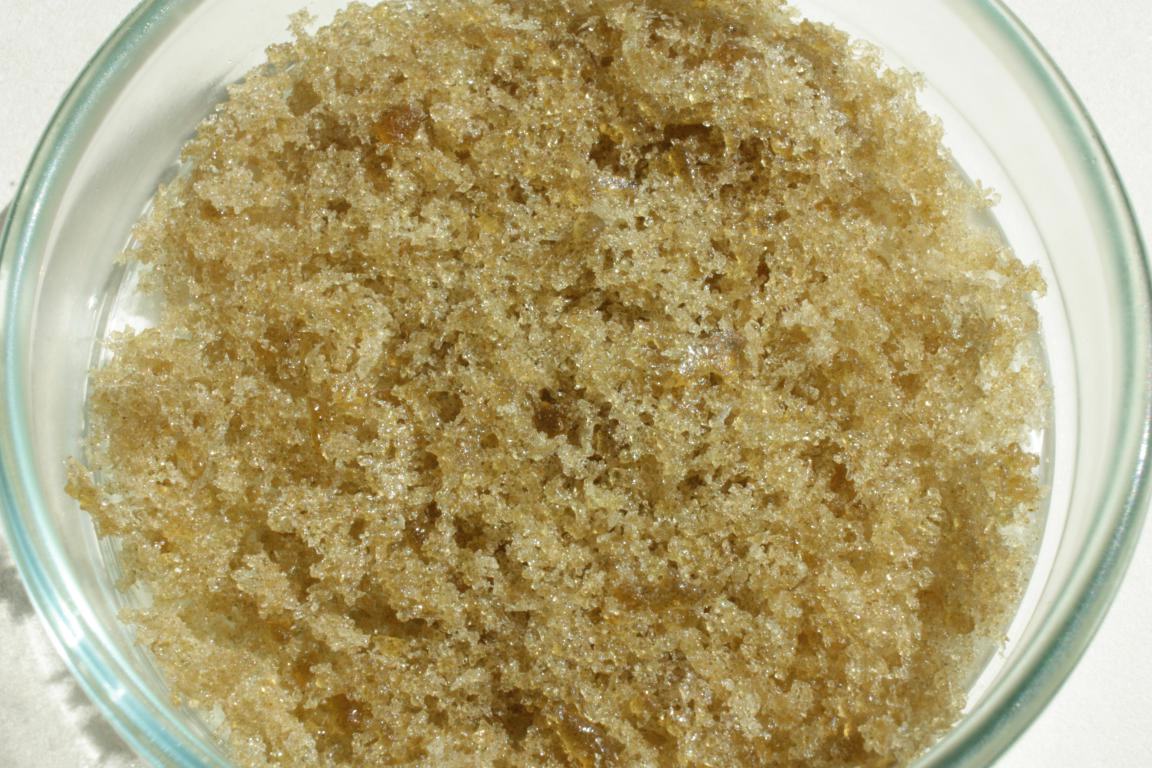
Complete Guide to Solventless/Non-solvent Cannabis Concentrates
While being a traditional product used for centuries, the evolution of solventless (also called non-olvent) cannabis resin concentrates during the past years has been astounding. From the very first charas ever made to the most modern THC-A separation techniques, this type of extracts have skyrocketed in popularity lately. In this article we explain the details of each type of solventless concentrate and take you to a trip through the evolution of this product.
Users sought more intense flavours, more potent effects and much cleaner extractions. Some extractions reached THC levels above 80%, something practically unimaginable decades earlier. To give you an idea, that means a single dab could deliver a more intense experience than several conventional joints. Be careful not to overdo it though, because the highs can be as epic as they are unwanted!
At the same time, artisanal hash culture evolved enormously thanks to new cold extraction techniques and the perfection of high-quality Ice-o-lator and Dry sift. Cannabis was becoming more sophisticated by leaps and bounds.
And much of that revolution spread thanks to something that connected it all: the internet.
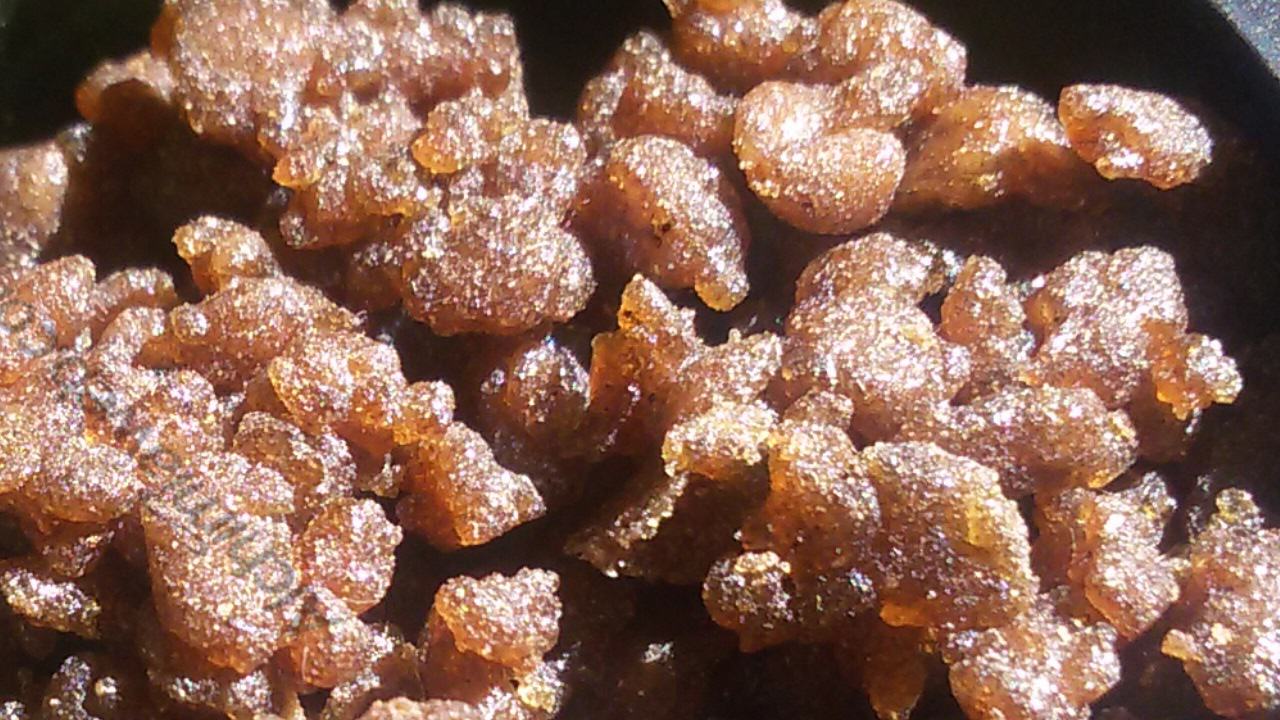
Fresh Frozen cannabis extractions
Cannabis concentrates made from fresh frozen plant material are more popular everyday. In this post we tell you how to make this high grade marijuana extract easily at home, with the same materials used in any traditional ice water extraction.
The internet, social media and the globalisation of cannabis culture
If in the 90s specialised magazines were the main source of information for the curious grower, during the 2010s the internet completely transformed access to cannabis knowledge. And at Alchimia, we experienced it from the front row.
Forums, blogs, YouTube channels and social media allowed growers from around the world to share techniques, grow journals and experiences. Instagram played a particularly important role: resin-coated buds, spectacular LED grow rooms and competition-grade extractions began flooding the feeds, creating a new global cannabis aesthetic that left you speechless.
The underground culture stopped being invisible and became a vibrant, proud community. Events like Spannabis (Barcelona) grew enormously during this decade, turning Barcelona into one of the great world capitals of cannabis. Breeders, activists, hashmakers and growers from across the planet began gathering there every year. Were you at any edition? If so, you know what we’re talking about. If not, you missed something big.
Cannabis was no longer just a clandestine hobby. It was a perfectly connected global culture, and that opened the door to new regulatory models in places like Uruguay and Spain.
Uruguay, social clubs and the international advance of the cannabis movement
In 2013, Uruguay made history by becoming the first country in the world to fully legalise cannabis at a national level. The first country in the world! The decision had an enormous symbolic and political impact: for the first time, a government openly acknowledged that prohibition had failed and committed to regulating the production and consumption of marijuana.
Meanwhile, in Spain, another unique phenomenon that many of you know first-hand was growing: Cannabis social clubs. Especially in Catalonia and the Basque Country, cannabis associations multiplied during the decade, promoting a model based on shared consumption and distanced from drug trafficking. Barcelona became a true European epicentre of cannabis, and thousands of enthusiasts from across the continent visited the city, drawn by the clubs, the trade fairs and the enormous cultural cannabis buzz.
However, the growth of the association movement also came with legal tensions, closures and judicial prosecutions. As so many times in the history of cannabis, social reality was moving much faster than the laws. But it was already too late to stop the change, because cannabis was no longer just an alternative culture — it was also becoming a massive industry.
The green industry and the birth of modern cannabis
During these years, cannabis was already moving billions of dollars worldwide. Billions! Major companies began investing heavily in production, technology, research and development of derived products. The term Green Rush began to be used to describe the new economic gold rush around legal marijuana.

Modern dispensaries became highly sophisticated. Vaporisers, Edibles, infused beverages, cosmetics and premium extracts began to form part of the new cannabis market, offering options for all tastes and needs. Cultivation also evolved rapidly thanks to the rise of LED lighting, automated systems and new precision growing techniques. This meant that any grower, from the most novice to the most experienced, could achieve better results than ever with less effort and electricity consumption.
Marijuana was professionalising at a dizzying pace. However, amidst all that industrial transformation, millions of growers continued to defend something essential that at Alchimia we have always celebrated: the cannabis culture born decades earlier through home growing, activism and a passion for the plant.
And perhaps that’s precisely where the true importance of the 2010s lies. Because this decade didn’t just partially legalise cannabis — it also managed to normalise it socially. And that, dear friends, is priceless!
Happy harvests