
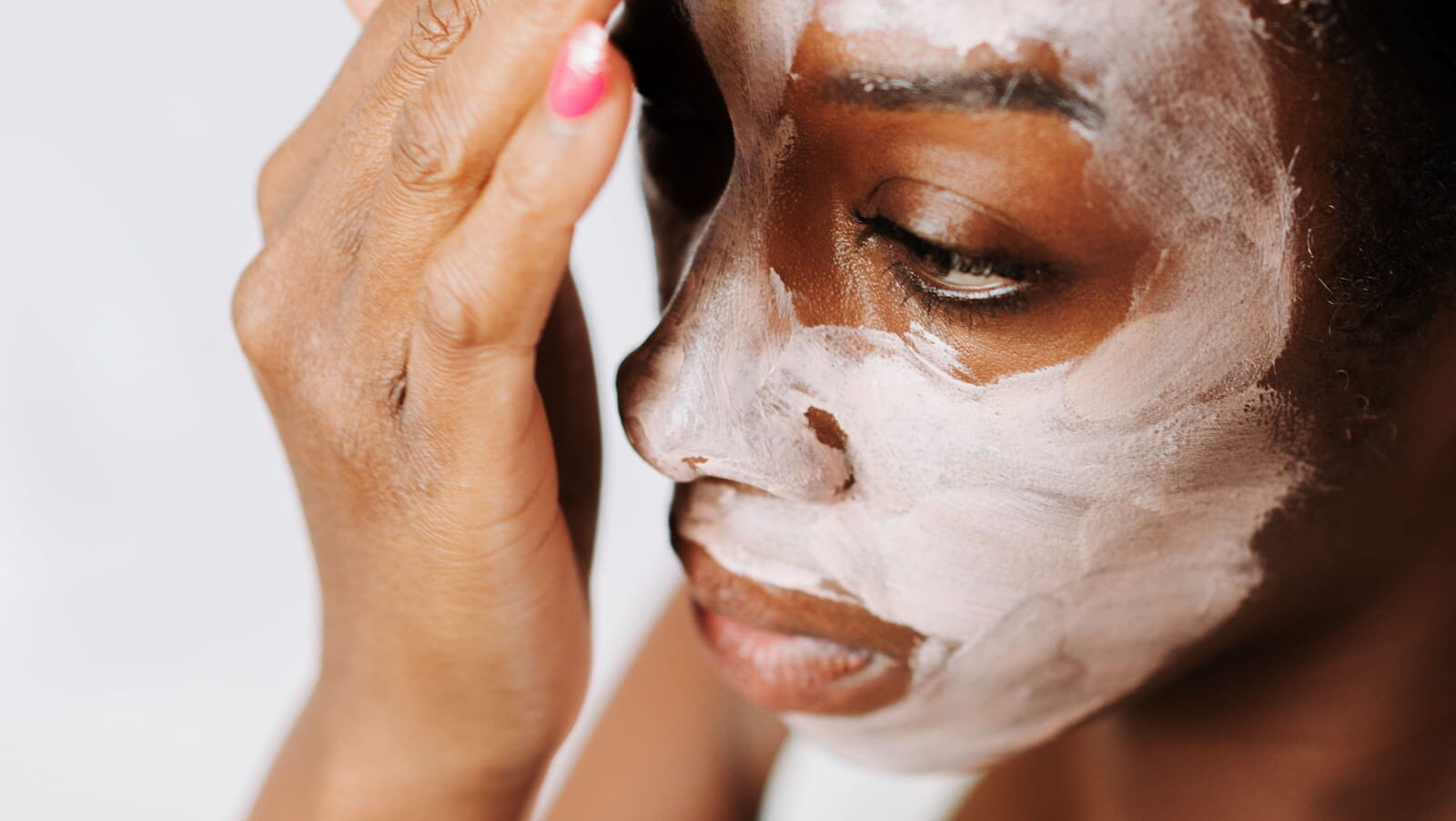
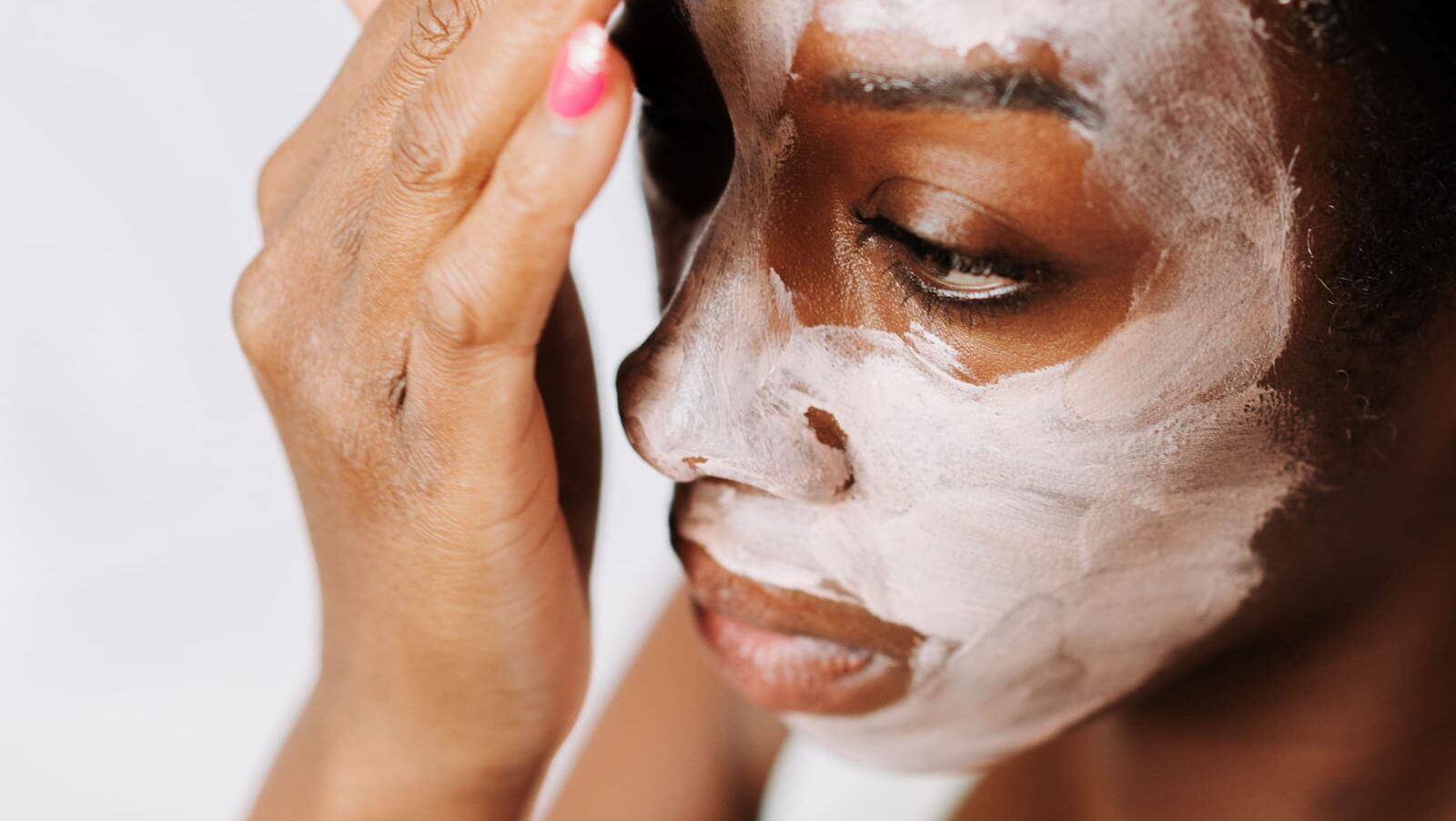
When it comes to achieving healthy, glowing skin, sometimes the best beauty products aren’t created in a laboratory—they’re found in nature. Long before sheet masks, serums, and complicated 10-step skincare routines became popular, people around the world were turning to mineral-rich clays to cleanse, soothe, and nourish their skin.
I first discovered the power of clay during childhood trips to Israel, where I visited the Dead Sea. The mineral-rich mud found there has been used for centuries as a natural skin treatment, and seeing people coat themselves from head to toe in the dark, silky mud was unforgettable. What seemed like a fun vacation activity at the time became one of the earliest beauty lessons I carried into adulthood.
If you’ve ever wondered which clay is right for your skin type, here’s a closer look at three of the most popular options and how to use them safely.
Bentonite Clay: Best for Oily and Acne-Prone Skin
Bentonite clay, arguably the most popular clay mask on the market, offers several skin benefits for those managing acne. Because of its mild electrical properties, when mixed with water, molecules charge and attract impurities like a magnet, shrinking enlarged pores and tightening skin.
So, say bye-bye to oil, bacteria, scarring, inflammation, redness, psoriasis, and eczema. This treatment, extracted from active deposits in Wyoming and Montana, has been proven to soothe just about every skin ailment.
Regular use may help:
- Reduce excess oil production
- Minimize the appearance of enlarged pores
- Calm inflamed acne
- Remove dirt and environmental pollutants
- Improve the appearance of blackheads
- Reduce redness associated with blemishes
*Side note: Because bentonite clay acts like an astringent, using it may cause over-drying. Ensure you use a daily moisturizer to avoid dry, peeling, cracked skin. If you have dry or sensitive skin, you may want to choose a gentler clay instead.
RELATED: 5 DIY Face Masks To Make Your Melanin Glow
Kaolin Clay: Best for Dry and Sensitive Skin
Kaolin clay comes in a variety of colors including white, yellow, red and pink. The gentlest of popular clays, kaolin is great for dry, sensitive skin. While it doesn’t absorb nearly as much oil as bentonite clay, it promotes circulation, softens, and brightens while gently exfoliating your dermis.
Benefits of kaolin clay include:
- Gentle cleansing
- Mild exfoliation
- Improved skin texture
- Brighter-looking complexion
- Softer skin
- Reduced irritation compared with stronger clay masks
According to the site Black Girl Long Hair, it’s also ideal for gently cleansing hair. Rich in silica, this “white” clay absorbs toxins on the hair and scalp, increases strength and elasticity, and slows the aging process.
RELATED: DIY Hydrating Honey Hair Masks
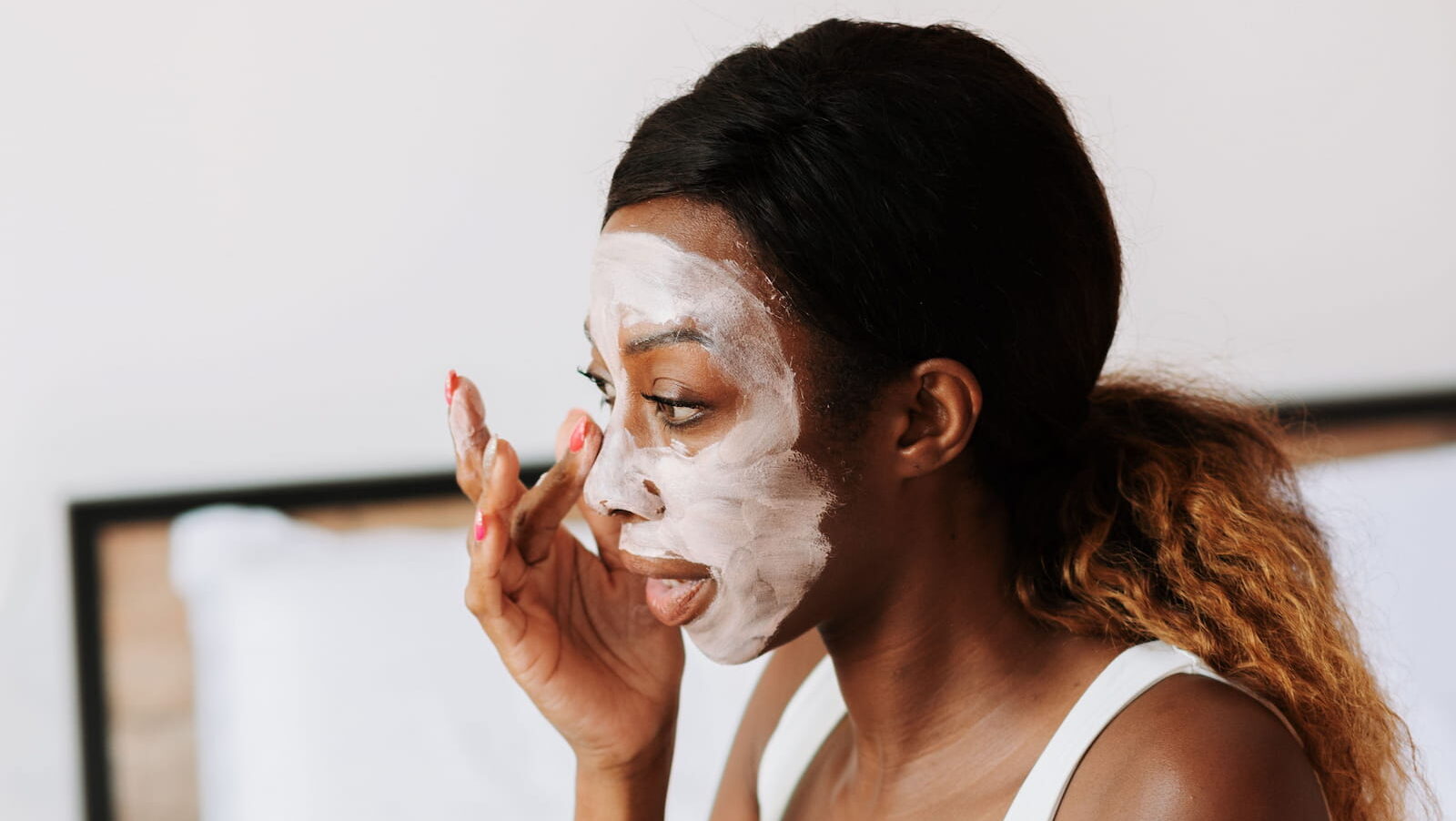
Rhassoul Clay: A Multitasking Favorite for Skin and Hair
Rhassoul clay: This ancient clay, mined from Morocco, is crazy rich in minerals.
Due to its negative charges, this treatment works against the skin’s positive charges, sopping up impurities such as oil, bacteria, sebum plugs, and blackheads like a sponge.
When mixed with crushed oats or almonds, it also serves as an epic exfoliator.
Meanwhile, its absorbing abilities also work wonders for ridding excess build-up on hair, restoring volume and shine.
In fact, beauty blogger Naturally Curious swears by its deep conditioning properties. Because of its elasticity and texture-improving effects, it’s gentle enough for daily use.
Like with many beauty treatments, you may have to give it a go two or more times to achieve desired results.
Like bentonite clay, rhassoul is highly absorbent, helping remove:
- Excess oil
- Dirt
- Bacteria
- Sebum buildup
- Blackheads
- Environmental pollutants
How to Get the Best Results
Clay masks aren’t one-size-fits-all, and more isn’t always better.
To avoid irritation:
- Start by using a clay mask once a week.
- Mix clay with water or other skin-friendly ingredients according to the product directions.
- Avoid letting the mask become painfully dry or cracked on your face, as this can increase irritation.
- Rinse gently with lukewarm water.
- Follow immediately with a moisturizer to lock in hydration.
- Always patch-test a new clay product on a small area of skin before applying it to your entire face or scalp.
Remember that skincare is a marathon, not a sprint. While some people notice smoother skin after one treatment, improvements in acne, texture, or oil production often take several weeks of consistent use.
The Bottom Line
Nature has been providing skincare solutions for thousands of years, and clay remains one of its most versatile beauty ingredients. Whether you’re trying to tame oily skin with bentonite, soothe sensitive skin with kaolin, or give both your complexion and hair a mineral-rich boost with rhassoul, there’s likely a clay that fits your needs.
As with any skincare product, results vary from person to person. Pay attention to how your skin responds, avoid overusing highly absorbent clays, and don’t be afraid to experiment until you find the one that leaves your skin—and hair—looking and feeling their healthiest.
While natural clays can be a helpful addition to many skincare and haircare routines, they are not a substitute for medical treatment. If you have a chronic skin condition such as eczema, psoriasis, rosacea, severe acne, or a scalp disorder, talk with a dermatologist or other qualified healthcare providers before trying new products or DIY treatments. If you experience redness, burning, swelling, or other signs of an allergic reaction after using a clay mask, discontinue use immediately and seek medical advice.