
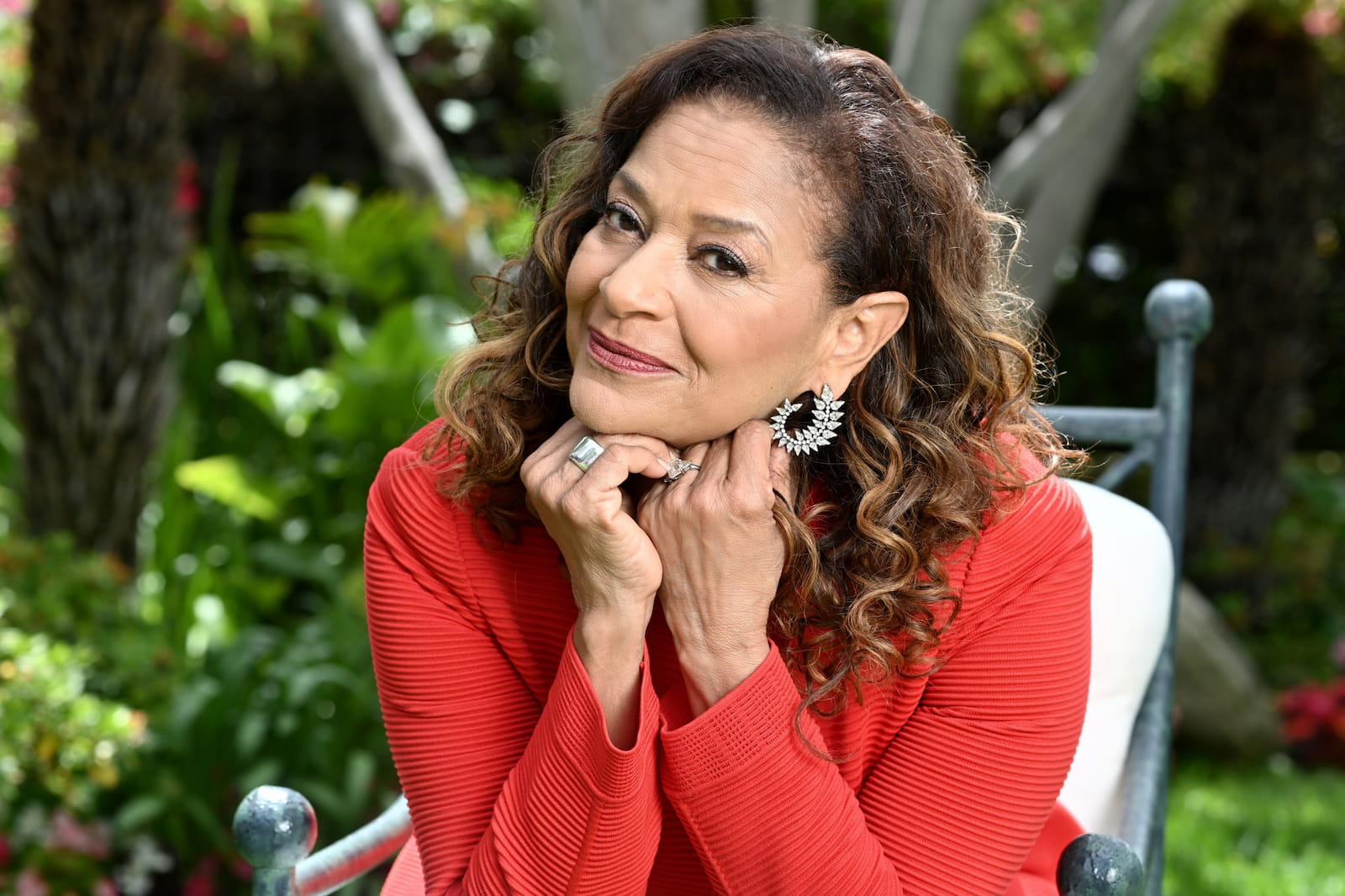
AIDS and HIV are causes that are very personal to actress, dancer, choreographer, singer, director, and producer Debbie Allen. Allen was a young starlet starring as Beneatha Younger in the 1973 Tony Award-winning Broadway musical, Raisin, when she first felt the gravity of the HIV/AIDS epidemic.
“My leading man was one of the first people to die. We didn’t understand what was happening. We didn’t understand why he was missing shows or why he was having trouble catching his breath. And then I remember seeing him in the hospital, and then he was gone. That was the beginning,” she tells BlackDoctor.
At the time, there was little understanding or knowledge about what was happening.
Allen also recalls being pregnant with her son, Norman Nixon Jr., whom she shares with basketball superstar Norm Nixon, and going to the hospital only to be told she couldn’t go inside.
“But I have to go. I’m losing my boy,” she remembers saying.
She still thinks about the many great directors, choreographers, dancers, actors, and writers in her community and industry who were lost to the disease.
“It’s always been personal for me to do whatever I can to bring eyes and ears and heart on HIV and AIDS,” she shares.
That’s exactly what she did years later when she joined the hit TV show, “A Different World,” as a producer and director. Allen helped bring the epidemic into living rooms across America, confronting fear, stigma, and misinformation in a way that was groundbreaking for television at the time. The show aired an episode on AIDS that premiered in the early ’90s — at a time when people were afraid to even say the word.
For Black communities, where the impact of the AIDS epidemic was being deeply felt and often silenced, the episode became an important moment in the conversation.
RELATED: Debbie Allen On Her 25-Year Legacy and Fight Against Diabetes Stigma
Bringing HIV Into the Conversation
Allen remembers the moment she and the “A Different World” team knew they had to tell the story.
“I remember the day that we knew we had to do it. We were at my house having a table read for ‘A Different World.’ I would cook for them sometimes. It was a great family kind of thing we did, where showrunners, Susan Fales and I, held on to one another on that day when Magic Johnson made that very courageous announcement that he was HIV positive. He single-handedly changed the face of AIDS. And we’d never seen all the young men and young women broken, just falling out crying, just broken,” she adds.
They knew they had to do something — to tell the story of HIV and its relevance on an HBCU campus.
“It was a matter of responsibility. It wasn’t even a choice. It was one we had to make,” Allen notes.
At the time, the team was among the pioneers using a television platform to tackle a major health issue like HIV and its impact on the Black community. But bringing the episode to television wasn’t easy.
“Advertisers pulled out. The network told us they didn’t think they were going to air it,” she recalls of the episode where Whoopi Goldberg guest-starred as a professor who assigned students to write their own eulogies.
The episode, which followed the HIV storyline of Josie Webb, played by Tisha Campbell, was ultimately aired with support from Carsey-Werner and Bill Cosby.
“Bill Cosby called back. He called to say, “You won’t have promotion. Advertisers are pulling out, but what you’re doing is a good thing. We’ll make sure it airs,” she shares.
And it did.
“And it was like our highest-rated episode because there was a drumbeat on the ground that something was happening on ‘A Different World’ that the world needed to pay attention to,” Allen says.
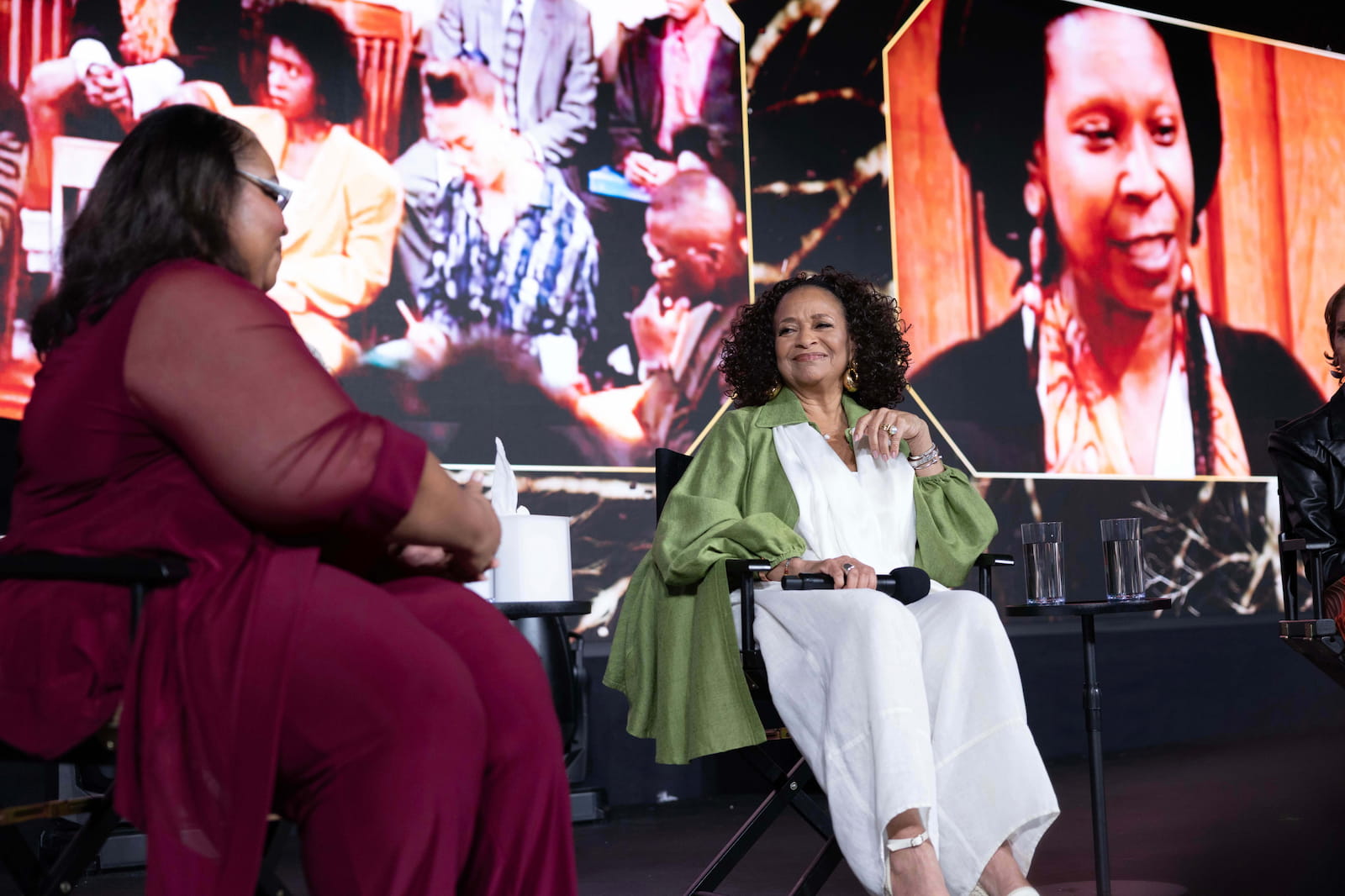
Why Allen Believes the Story Still Needs to Be Told
After four decades of advocacy, Allen remains grateful that they had the courage to do what they did. Now, she is once again stepping into the world of “A Different World” as executive producer and director of the new Netflix reboot, which premiered Sept. 24.
This time around, we’re following “Deborah Wayne” (Maleah Joi Moon)— Dwayne Wayne and Whitley Gilbert’s daughter —as she steps onto Hillman’s campus for her freshman year. She’s joined by Alijah Kai, Cornell Young IV, Jordan Aaron Hall, Kennedi Reece, and Chibuikem Uche. And, for those who grew up loving the original series: Jasmine Guy, Kadeem Hardison, Darryl M. Bell, and Cree Summer are back, too.
And that same sense of responsibility remains.
“We have to do it again now, because the battle is still being waged. It’s still happening,” she notes.
Allen says bringing the series back has been a long-held goal. After previous attempts, the project finally found a home with Netflix.
“I’m very excited about the new series because we’ve tried to do this series again over the years, Tom Werner and I, and Carsey-Werner unsuccessfully. We get all the way up to the well, but we weren’t offered that cup of water to drink. Ted Sarandos, Netflix, said yes. It was like the sky opened up, because if there’s ever a time that we need to hear from young Black America, it’s right now. With everything that’s happening in the world. It’s really a time to hear from all young people, because what is this world that they’re inheriting? You know, with the war, the closure of medical opportunities, and DEI, affirmative action is being looked at as if it was something terrible to help balance the scales,” Allen says.
She reflects on times when Black people were arrested for reading a book or weren’t allowed to marry.
“When you think about the history of Black people…this country and this government owe us so much. We built this country,” Allen reflects. “So having ‘A Different World’ rebooted again is the right time. Because just think about that AIDS episode that we did then. If we did one now, we could talk loudly about Your Hive of Whole Health — that this is no longer a death sentence, that it was then; that there are opportunities and advocacy groups and community activism that you can create a hive, and you can survive, not just survive but live well.”
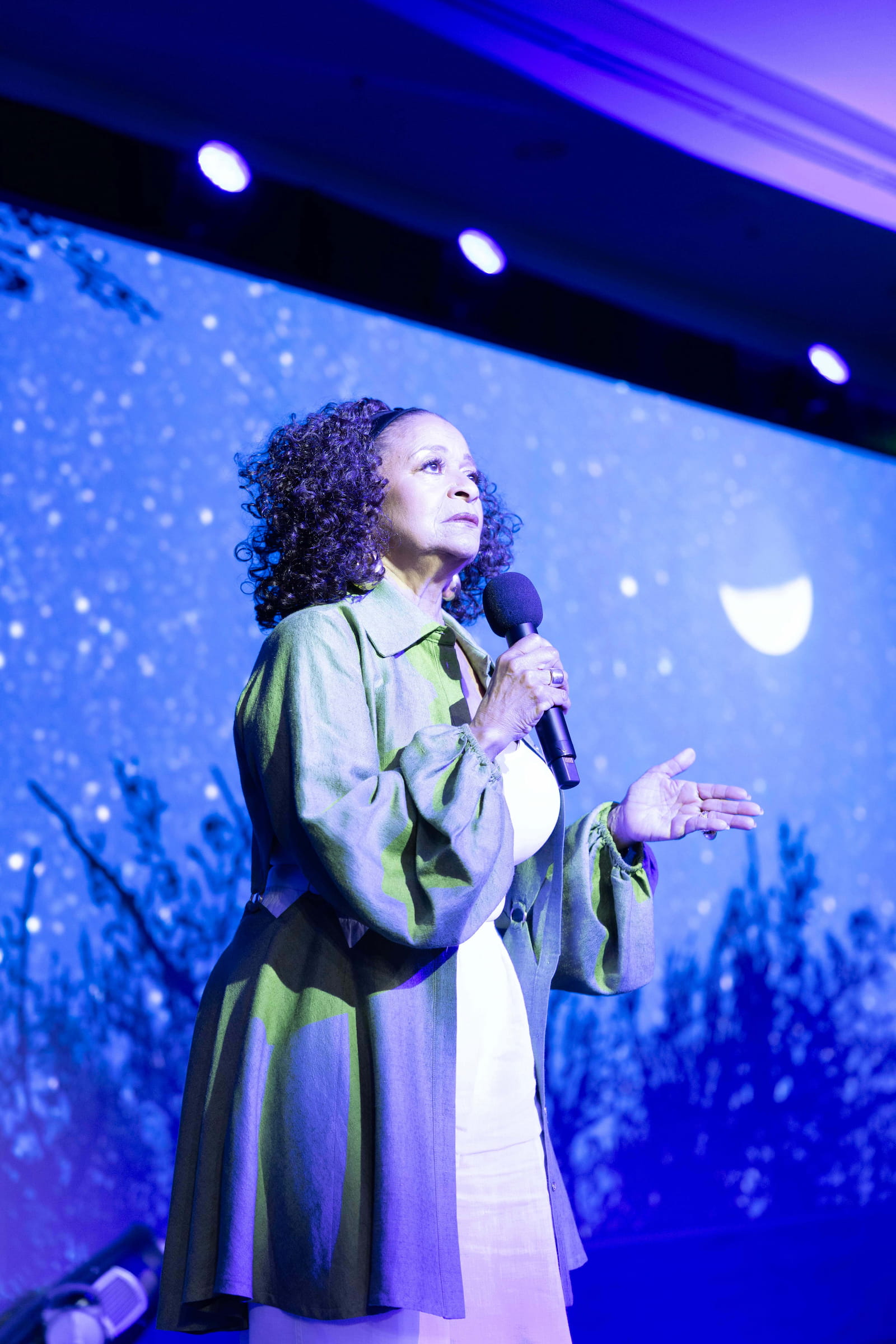
Looking at HIV Through the Lens of Whole Health
In fact, more than 50 percent of the people living with HIV are 50 years and older, according to data from the CDC and the National Institutes of Health. Stats like those are behind Allen’s decision to partner with Merck to launch Your Hive of Whole Health, a program that supports people with HIV in caring for their whole selves — mind, body, and spirit — while helping them build the “hives” of support they need to thrive.
“When we think about bees, bees work in a way that communicate in a big hive. There is communication. They all know that same information. They keep the food, regulate the temperature, and if one goes off, the whole hive goes off,” Allen explains. “So the concept of a hive is brilliant because everyone can have their own hive. Everyone can help create their own group of friends, family, doctors, advocacy groups, new information.”
For Allen, the goal is to remind people living with HIV that they don’t have to navigate their health alone. She hopes others will understand that there is advocacy, and there’s light for them to walk into, and that they don’t have to feel ashamed.
Why Black Women Need to Be Part of the HIV Conversation
Allen also makes a point to center Black women in this conversation, who are so often left out when it comes to HIV awareness. Even though Black Americans made up just 12 percent of the U.S. population in 2022, we accounted for 37 percent of new HIV infections, according to CDC data. Right now, the odds are that one in every 48 Black women will be diagnosed with HIV in her lifetime.
“That’s staggering. That’s frightening,” Allen notes. “So what I’m hoping is that people are hearing. I’m hoping that they will trust that I’m bringing them a message that is worthy of them considering, and that’s true. I wouldn’t do it otherwise.”
What’s Next for Debbie Allen
While Allen continues to use her platform to raise awareness about HIV, she shows no signs of slowing down. In addition to returning to “A Different World”, Allen says she is looking forward to seeing her grandchildren perform in the “Hot Chocolate Nutcracker” later this year and is also working on a new musical that she hopes will eventually make its way to Broadway. She is also working on a project with her friend, actress, producer, and screenwriter Lena Waithe.
For Allen, each project is another opportunity to create, inspire, and bring people along with her.
“I’m hoping that I have used my celebrity well, not just to celebrate my artistic accomplishments, but to celebrate what I’ve been able to bring to my community,” she says.
And that commitment remains at the heart of her work—from the stories she helped bring to television decades ago to the conversations she continues to champion today.
Visit hiveofwholehealth.com to learn more and start building your Hive of Whole Health today.