

The unemployment rate for Black Americans is consistently higher than that of their white counterparts, and Black women — despite being among the nation’s most educated workers — continue to bear the brunt of a volatile job market.
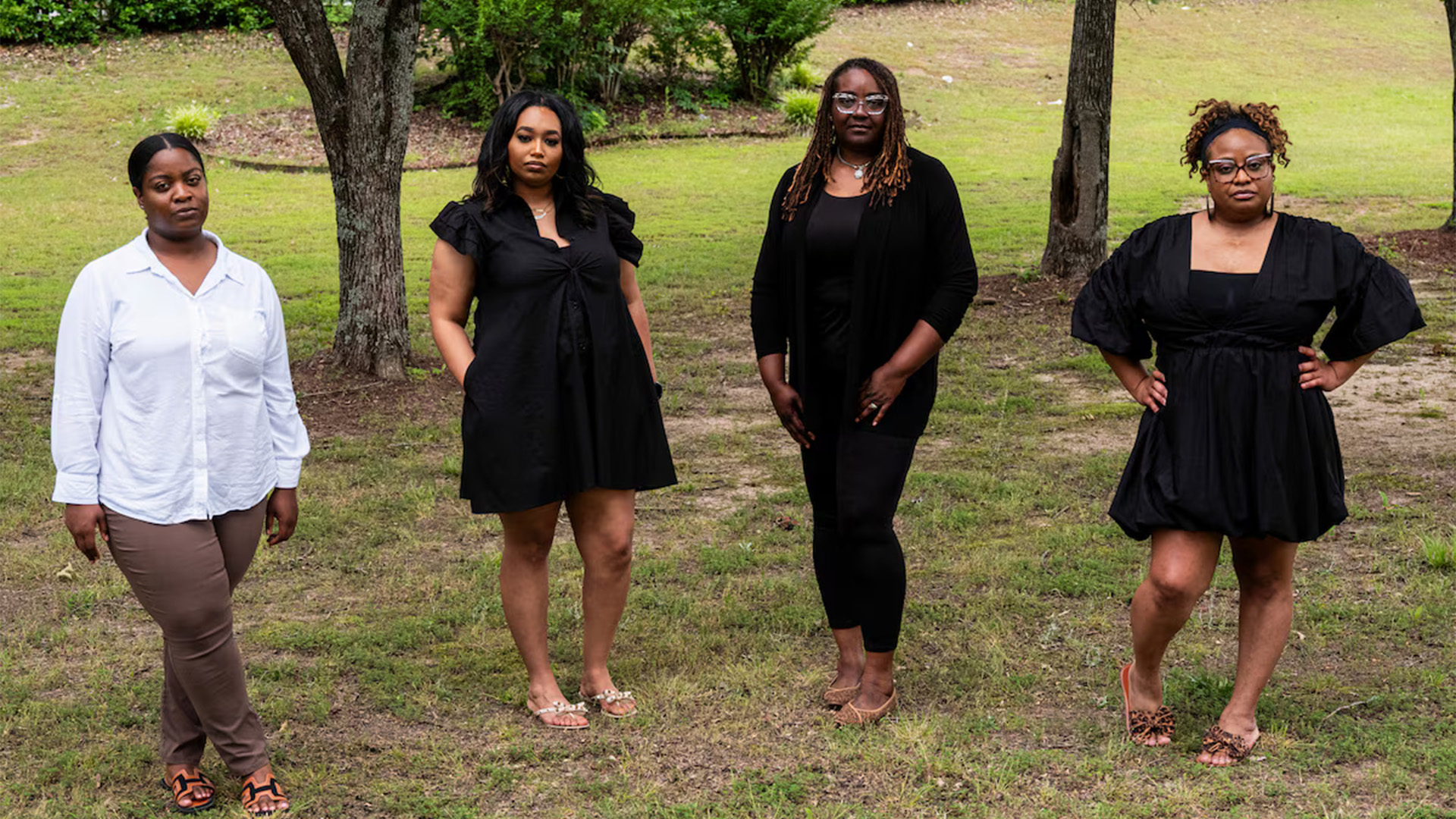
Between Kia Mills, 35, Aaliyah McShane, 29, Shakia Jackson, 45, and Chemeka Cooper, the four women hold nine college degrees, yet not one of them has a steady paycheck, according to The Washington Post. All have endured extended periods of unemployment, leading some of them to accept jobs paying as little as $16.61 an hour just to get back to work.
“I cannot find another period outside of a significant economic downturn when the Black unemployment rate has deteriorated this much, this fast,” Marc H. Morial, president of the National Urban League, told The Washington Post. “It’s affecting every region of the country, and it’s taken out people who followed the script. They went to college; they climbed the corporate ladder and — voilà — they’re out of work.”
Black Women Struggle To Find Stability In The Job Market
McShane earned two master’s degrees and spent more than seven years working her way into middle-management roles in state and federal government before losing her job in June 2025, notes the outlet. At the time, she believed her degrees would quickly lead to new opportunities — but they did not.
“It feels like you’re not even given a chance,” McShane said, per The Washington Post. “You hand in a résumé, and AI just rejects it immediately.”
Mills left her administrative position in the public sector about nine months earlier, believing that a newly earned master’s degree in criminal justice would open the door to a higher-paying, full-time career.
Despite their efforts, McShane and Mills have struggled to break through. Both women had long believed in the promise that education, hard work, and perseverance could still lead to success for Black Americans.
“Sometimes, I wonder, why is this happening to me?” Mills said, per The Washington Post. “Sometimes I think I’m being blackballed. I don’t know. I try not to get discouraged because I believe in God, and I know He would never punish me. Sometimes, I don’t understand.”
Cost-Cutting And DEI Rollbacks Hit Black Women In The Job Market
Jackson served as deputy director of Arkansas’ Office of Health Equity, where she oversaw a team that provided translation services and expanded healthcare access for Latino communities. As part of the Trump administration’s efforts to eliminate diversity, equity, and inclusion-related programs across the federal government, her department was renamed the Office of Health Disparities Elimination. The office was fully dissolved by November 2025.
“I grieved,” Jackson said. “Because we got to be two times better than anybody. We got to work twice as hard to get these degrees. We got to do all the things, but they can just snap their fingers and throw you away, like it’s nothing.”
Cooper, who holds an MBA, was laid off from her role as a project manager at Blue Cross Blue Shield amid cost-cutting and Medicaid-related changes. She later lost a second job at a tech company in the summer of 2025.
Since then, she has repeatedly been told she is overqualified, prompting her to remove experience — and even her master’s degree — from her résumé in some applications. Mills and McShane have faced similar barriers, including being told they lack experience or seeing the same job listings reappear after rejections.
The four women described piecing together unstable work — driving for Uber and, at times, substitute teaching for $118 a day despite difficult conditions. Jackson encouraged them to consider consulting or entrepreneurship after leaving government work, saying she no longer viewed public-sector jobs as reliable paths to advancement.
Trump’s Promise To Protect ‘Black Jobs’ Faces Scrutiny
The president promised to save “Black jobs” in 2024, but critics say his policies have instead intensified economic pressure on the Black middle class as the employment gap has widened.
Today, the unemployment rate for Black women ages 20 and older stands at 5.6%, per The Washington Post. While white Americans have largely maintained employment, Black Americans continue to experience higher rates of job loss and unemployment.
“I think God is teaching me how to be patient,” Mills told The Washington Post. “What’s meant for us, it won’t pass us by.”