


When Brionna Cassell found out she was pregnant, she was also carrying something else: massive fibroids that had taken over her abdomen and placed her pregnancy in jeopardy.
According to reports, multiple doctors advised the Chicago woman to terminate the pregnancy and undergo a hysterectomy due to the severity of her condition.
Instead, she kept searching for another option.
That decision may have saved both her pregnancy and her future fertility.
“I felt a mixture of fear, anger, and confusion about why termination was the first and only option I was being given,” Cassell tells BlackDoctor. “There was no sympathy for my unborn child, whom I’ve bonded with now for three months, or consideration for my quality of life postoperatively.”
“I kept searching to give my child the absolute best alternative for survival, as well as knowing this wasn’t only a fight for this pregnancy, but for my future fertility overall.”
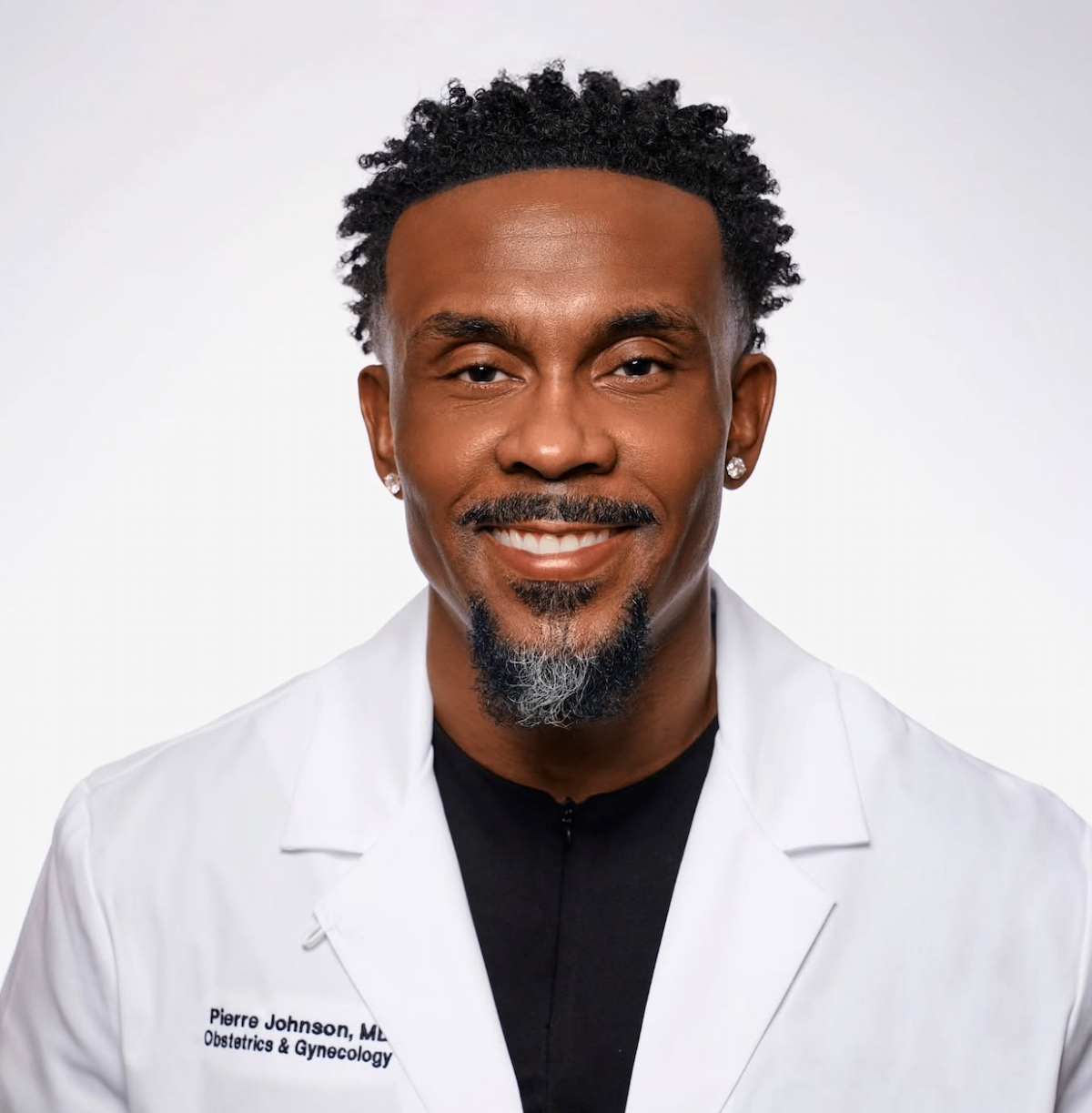
At 17 weeks pregnant, Cassell underwent a rare, high-risk surgery performed by Chicago OB-GYN Dr. Pierre Johnson, who successfully removed 27 pounds of fibroids without ending the pregnancy or removing her uterus. Following the procedure, Dr. Johnson described the case as the most “amazing” of his career.
The story quickly made headlines because of the size of the fibroids. But for many Black women, the emotional core of the story feels much more familiar: being told to accept devastating outcomes before every possible option is explored.
RELATED: Can You Get Pregnant With Fibroids?

Why She Kept Searching for Another Option
For many women dealing with fibroids, the physical symptoms can become overwhelming long before treatment options feel clear.
Fibroids can cause:
- chronic pelvic pain
- heavy bleeding
- pressure and bloating
- fertility complications
- painful pregnancies
Black women are disproportionately affected by fibroids, often developing them earlier and experiencing larger fibroids and more severe symptoms than other groups, according to the Eunice Kennedy Shriver National Institute of Child Health and Human Development (NICHD).
But beyond the physical toll is another frustration many women know intimately: feeling dismissed, rushed, or pushed toward extreme solutions without fully understanding all available options.
Cassell’s story has resonated online not just because of the successful surgery, but because so many women recognize the emotional weight behind it — the fear, uncertainty, and desperation that can come with trying to advocate for your own body.
RELATED: Reproductive Rights: How One Advocate Is Leading the Fight
The Power of a Second Opinion
According to reports, Cassell sought out Dr. Pierre Johnson after being told her safest option was ending the pregnancy.
Johnson, a Chicago OB-GYN known for performing minimally invasive fibroid surgeries, says patients should feel empowered to thoroughly research the doctors they trust with their care.
“When choosing a surgeon, do your research, which includes social media and how they live their lives,” Johnson tells BlackDoctor.com. “Their passion for their profession should be reflected in their personal lives and their ideals should be in alignment with yours.”
“Your surgeon should have your 100% trust, because your life is literally in their hands.”
Johnson ultimately performed a complex myomectomy — a surgery that removes fibroids while preserving the uterus — during her second trimester.
Johnson also pushed back against the idea that large fibroids automatically require more invasive surgical approaches.
“No fibroid is too big to manage in a minimally invasive manner,” he says. “There is never a need for vertical incisions for benign gynecologic surgery.”
While not every fibroid case has the same outcome, many experts stress the importance of individualized care and informed decision-making, especially when fertility and pregnancy are involved.
That includes:
- understanding all treatment options
- discussing risks honestly
- considering future fertility goals
- seeking additional opinions when something feels incomplete
For women navigating fibroid treatment, another medical opinion can sometimes open doors that initially seemed closed.
“Black women deserve to know that they have options,” Dr. Johnson tells BlackDoctor. “Every case is different, but patients should feel empowered to ask questions, seek additional opinions, and fully understand their treatment choices before making life-changing decisions.”
Why This Story Hits So Hard for Black Women
Fibroids are incredibly common among Black women, yet conversations around treatment often leave many feeling unheard.
Research from the JAMA Network has consistently shown that Black patients — particularly Black women — are more likely to have their pain underestimated or undertreated within the healthcare system. Many women report spending years minimizing symptoms, struggling to get proper diagnoses, or feeling pressured into procedures they were not emotionally prepared for.
That’s part of why Cassell’s story feels bigger than one viral medical case.
It speaks to the importance of being listened to.
Of having options explained fully.
Of finding providers willing to look beyond worst-case assumptions.
Cassell says she hopes other Black women dealing with fibroids or difficult medical decisions learn to trust themselves and keep advocating for their care.
“Advocate, research, and be resilient,” she says. “Don’t doubt your own intuition, questions, or concerns. Our bodies are our own, and though these doctors have the degrees to assist in our best interests, that doesn’t mean all of them have the greatest of intentions. Be relentless in choosing what’s best for you and your situation.”
Today, Cassell says both she and her baby are thriving.
“My baby and I are doing phenomenal,” she tells BlackDoctor. “Recovery has been a breeze, and I look forward to a healthy and successful future pregnancy and life.”
Her story is now resonating with women across the country, especially Black women who know what it feels like to fight to be heard inside the healthcare system.
Most importantly, it serves as a reminder that one doctor’s answer does not always have to be the final answer.