
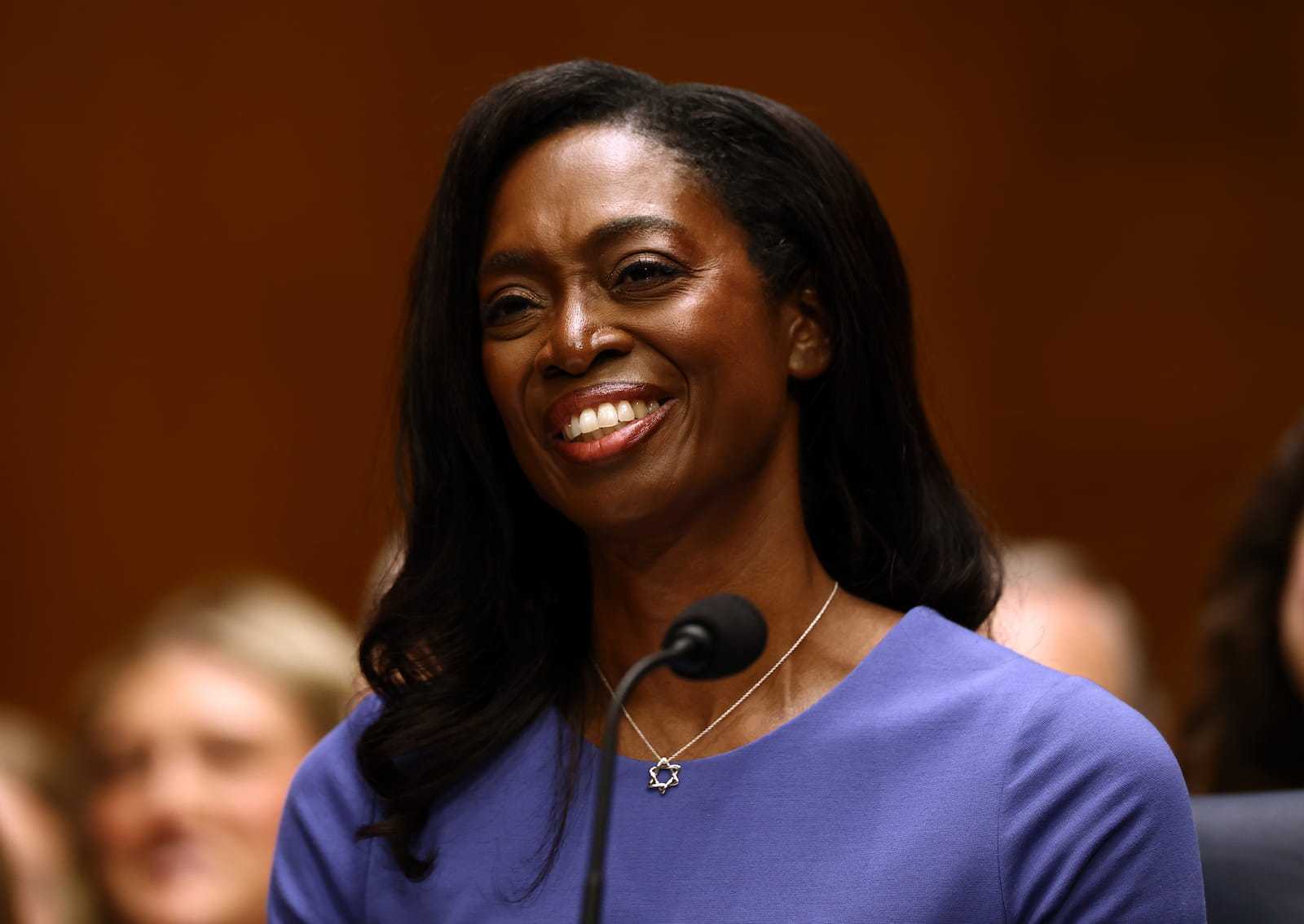
On Wednesday, the Senate confirmed Dr. Erica Schwartz as the new director of the Centers for Disease Control and Prevention (CDC), making her the first permanent director of the agency in nearly a year. She was confirmed in a 51-44 vote, becoming the 22nd leader of the Atlanta-based CDC.
The confirmation comes after weeks of questions about whether Dr. Schwartz would maintain scientific independence, particularly regarding vaccine policy and guidance. Last week, the Senate Health, Education, Labor, and Pensions (HELP) Committee advanced her nomination after lawmakers questioned whether she would push back against HHS Secretary Robert F. Kennedy if asked to act against scientific evidence and established public health practices.
The CDC is responsible for guiding the nation’s response to infectious diseases, vaccines, health emergencies, and prevention efforts. Her appointment comes after months of uncertainty at the agency, with significant vaccine policy changes and ongoing public health challenges.
As Dr. Schwartz assumes her new role, here’s what you should know about the new CDC leader and what her role means for Black communities.
What Does the CDC Director Actually Do?
The CDC director leads the agency responsible for protecting public health. The federal agency provides guidance on vaccines, disease outbreaks, health screenings, and prevention efforts. While Dr. Schwartz’s confirmation is major news, it doesn’t immediately change your doctor’s recommendations or daily healthcare. You’ll continue to discuss any healthcare decisions with your provider.
Who Is Dr. Erica Schwartz?
Dr. Schwartz is a physician with experience in preventive medicine, military medicine, and public health leadership. She earned a degree in biomedical engineering from Brown University before receiving her medical degree from Brown University’s Warren Alpert Medical School.
She has served in the U.S. Public Health Service Commissioned Corps (USPHSCC), the Navy, and the Coast Guard. During Trump’s first term, she served as deputy surgeon general and helped support the federal government’s response during the early months of the COVID-19 pandemic.
Why Trust and Clear Health Information Matter
Many communities — particularly Black communities — have experienced barriers, misinformation, and unequal access to healthcare. This is especially important because historical and ongoing healthcare inequities have contributed to gaps in access, trust, and health outcomes. While addressing health inequities is not something that can change overnight, clear communication from public health leaders can help people make informed decisions about their health.
Additionally, strong patient-and-provider relationships remain critical for more effective, culturally sensitive care. Public health recommendations are most effective when people understand not only what is being recommended, but why it matters for their families and communities.
What Should Patients Expect Next?
Dr. Schwartz’s leadership will shape how the CDC communicates future health guidance. With this in mind, people should continue to rely on trusted healthcare providers for individualized health recommendations. Staying informed through credible sources can help you and your family make decisions about prevention and treatment.