
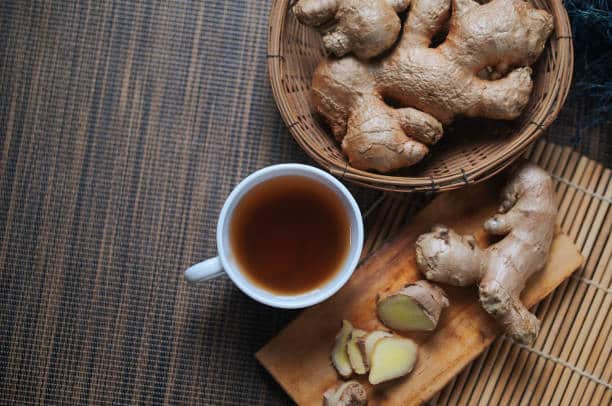

According to research, ginger is one of the healthiest spices on the planet. It is loaded with nutrients and bioactive compounds that benefit both your mind and body. Whether you enjoy it as a soothing tea, grate it into your favorite dishes, blend it into a smoothie or use it to add a little extra flavor to a meal, ginger can be a simple addition to a healthy eating routine.
Ginger has been used for centuries in traditional medicine, particularly for digestive complaints, nausea and other common ailments. Much of its potential health benefits are linked to compounds called gingerols and shogaols, which have antioxidant and anti-inflammatory properties.
While ginger should not replace medical treatment, research suggests that this popular spice may offer several health benefits. Here are five good-for-you reasons to consider adding more ginger to your routine.
1. Ginger May Help Combat Tummy Troubles.
Belonging to the Zingiberaceae family — closely related to turmeric, cardamom and galangal – this flowering plant, which originated in China, is often used as a form of alternative medicine to treat conditions such as nausea (think morning sickness), common flu and cold symptoms and digestion woes, to name a few.
Its powerful anti-inflammatory properties have also been linked to the “prevention and/or treatment of various diseases,” a 2014 study said.
That doesn’t mean ginger is a cure-all, however. If you experience persistent nausea, vomiting, abdominal pain or other digestive symptoms, talk with your healthcare provider rather than relying solely on ginger.
RELATED: 10 Benefits Of Drinking Ginger Tea
2. It May Reduce Pain and Muscle Soreness.
If you regularly hit the gym and, in turn, experience exercise-induced muscle pain (or soreness), you may consider looking to ginger root as a natural pain reliever.
Though the spice doesn’t have an immediate impact, in one study, people who consumed two grams of ginger a day for 11 days saw significantly reduced muscle pain while performing elbow exercises.
Still, incorporating ginger into your diet may be one small part of an overall approach to managing exercise-related discomfort. Getting enough rest, staying hydrated, eating nutritious foods and gradually increasing workout intensity are also important for muscle recovery.
If you have severe, persistent or unexplained muscle pain, don’t assume it’s simply workout soreness. It’s worth checking in with a healthcare professional.
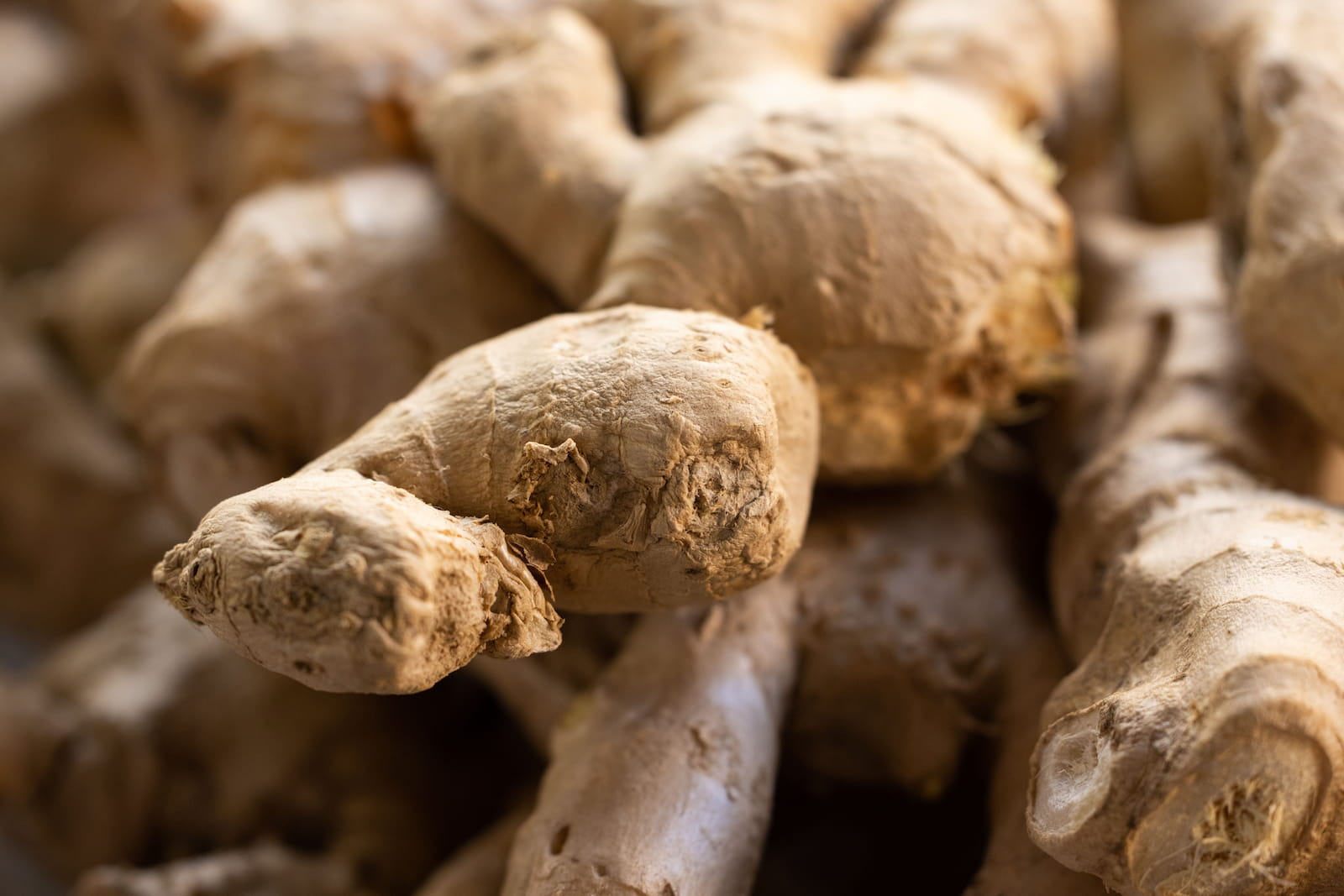
3. Ginger May Help With Motion Sickness and Nausea.
Taking one gram of dried, powdered, encapsulated ginger at least 30 minutes before travel can help calm motion sickness.
While studies concerning ginger’s impact on motion sickness are mixed. One study found ginger to be as effective as dimenhydrinate (Dramamine) – but with fewer side effects. Other findings indicate that, when taken in addition to anti-nausea meds, the spice further reduces nausea and vomiting from chemotherapy.
If you are undergoing cancer treatment, pregnant or taking medication for nausea, talk with your healthcare provider before using ginger supplements. The right dose and form can vary depending on your individual circumstances.
RELATED: 10 Mindblowing Health Benefits of Ginger!
4. Ginger May Support Heart Health.
In a recent 2015 study of 41 participants with type 2 diabetes, two grams of ginger powder per day lowered fasting blood sugar by 12 percent.
It also dramatically improved HbA1c (a marker for long-term blood sugar levels), leading to a 10 percent reduction over a period of 12 weeks.
There was also a 28 percent reduction in the ApoB/ApoA-I ratio, and a 23 percent reduction in markers for oxidized lipoproteins. These are both major risk factors for heart disease.
These findings are promising, but it’s important to put them into perspective. The study was relatively small, and ginger is not a substitute for diabetes medication, a heart-healthy diet, physical activity or other treatments recommended by your healthcare provider.
Instead, think of ginger as one ingredient that can be incorporated into an overall healthy eating pattern. Adding fresh ginger to vegetables, soups, stir-fries or homemade smoothies can boost flavor without requiring extra sugar or salt.
5. Ginger May Help Soothe Menstrual Pain.
Move over cramps! In one study, 150 women were instructed to take one gram of ginger powder every day, for the first three days of the menstrual cycle.
Per their findings, ginger managed to reduce pain as effectively as over-the-counter remedies like ibuprofen and mefenamic acid.
Further research “regarding the effects of ginger on other symptoms associated with dysmenorrhea and efficacy and safety of various doses and treatment durations of ginger are warranted,” the study reads.
If your period pain is severe, suddenly becomes worse or interferes with your daily life, don’t simply chalk it up to “normal” cramps. Conditions such as endometriosis, fibroids or other gynecological issues can cause significant menstrual pain and may require treatment.
How Can You Add More Ginger to Your Diet?
The good news is that you don’t have to make dramatic changes to enjoy ginger. Fresh ginger root can be peeled, grated or minced and added to stir-fries, soups, marinades and sauces. You can also add it to smoothies or steep fresh slices in hot water to make ginger tea.
Ground ginger is another convenient option and works well in oatmeal, baked goods and spice blends.
When possible, incorporating ginger into meals and beverages may be a simple way to enjoy its flavor and potential benefits without relying on concentrated supplements.
Keep in mind that more isn’t necessarily better. High doses of ginger supplements may cause heartburn, stomach discomfort or diarrhea in some people. Ginger may also interact with certain medications, including some drugs that affect blood clotting. If you take medications regularly, are pregnant or have a chronic health condition, check with your healthcare provider before taking concentrated ginger supplements.
The Bottom Line
From helping settle nausea to potentially easing muscle soreness and menstrual pain, ginger has earned its reputation as more than just a flavorful spice. Research suggests that its anti-inflammatory and antioxidant compounds may offer several potential health benefits.
Still, ginger isn’t a magic ingredient or replacement for medical care. The strongest approach is to think of it as one small piece of a balanced diet and healthy lifestyle.
So, the next time you’re preparing a meal, smoothie or cup of tea, consider reaching for a little ginger. Your taste buds — and potentially your health — may thank you.