
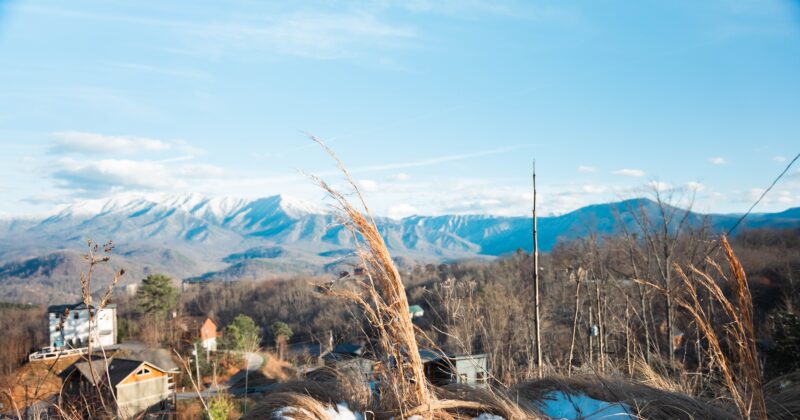
A trip to Gatlinburg TN, can be one of the easiest vacations to enjoy and one of the hardest to arrange, especially once the group grows past a handful of people. Everyone wants the same thing, which is a few relaxed days in the mountains, but getting there takes a surprising amount of coordination.
Someone has to decide where the group sleeps, what it eats, how the days are filled, and who pays for what. The good news is that none of this is complicated once it is broken into parts and handled in the right order. The planning that happens weeks before departure is what makes the trip itself feel effortless.
Starting With the Place Everyone Will Stay
The first decision shapes every decision that follows, because where a group sleeps determines how the rest of the days are built. Cabins are the usual choice for a mountain vacation, and the trouble begins when the group outgrows the space and a few people end up booked somewhere separate from everyone else.
A single property with enough bedrooms for the entire party removes that problem in one booking. Luxury Cabin Rentals offers 21 bedroom cabins in Gatlinburg TN featuring home theaters, indoor pools, and putt-putt golf, with space for parties of seventy or more guests under one roof. Settling that question early makes every other part of the plan far easier to arrange.
Sorting Out Meals Without Anyone Doing All the Work
Food is the part of a group trip that quietly consumes the most energy, and it is the easiest part to plan well. Decide early how many meals will be cooked where you are staying and how many will be eaten out. Most groups land on cooking breakfast, keeping lunch casual, and going out for dinner on two or three nights. Assign each evening meal to a different pair of people so the same person is not standing over a stove for the entire stay. Build one shared grocery list instead of several, and do a single large shop on the first day rather than repeated runs.
Ask about dietary needs before the trip rather than during it. Allergies, preferences, and the needs of small children are all much simpler to accommodate when they are known a week in advance. Keep a reasonable supply of snacks, drinks, and breakfast items on hand, because large groups eat through them faster than anyone expects.
Building an Activity Plan the Whole Group Agrees On
Activities are where group trips tend to fall apart, usually because one person plans everything and assumes the rest will be happy with it. A better approach is to ask each household for one thing they would like to do. Collect the answers, look for overlaps, and build the days around what appears most often. You will almost always find that half the group wants a slow morning, a short walk, and an afternoon with nothing scheduled.
Plan one main activity a day and leave the rest open. Mountain weather changes quickly, and a schedule packed from morning to night leaves no room to adjust. Keep a short list of indoor options in reserve for the day it rains. It also helps to accept that the group will split up at times. Some people will want a long hike; others will want to stay back and read. Letting that happen naturally keeps everyone in a better mood than forcing the whole party to move together.
Keeping Track of What the Trip Will Cost
Money is the subject most groups avoid until it becomes a problem. Handle it at the start instead. Work out the total cost of the stay, divide it in a way everyone understands, and put the figure in writing before anyone pays a deposit. Splitting by household is usually fairer than splitting by head when families of different sizes are traveling together.
Shared costs during the trip need the same clarity. Groceries, fuel, tickets, and dining out all add up quickly when nobody is tracking them. Pick one person to hold receipts and use a simple shared note or app so everyone can see the running total. Set aside a small buffer for the unexpected, because something always comes up.
Dividing Responsibilities Before Anyone Leaves Home
A trip runs far better when more than one person is responsible for it. Give each task an owner. One person handles the booking and the paperwork. Another manages the grocery list and the meal roster. A third keeps the activity plan and the ticket purchases. Someone else looks after the money and the final settlement. These jobs take very little time when they are shared and become exhausting when one person absorbs all of them.
Put the key details in one message that everyone can access: the address, the arrival window, the check-in instructions, the contact numbers, and the planned meals. A single source of information saves dozens of repeated questions.
Packing and Final Preparation
Ask the group to pack layers, comfortable walking shoes, and rain gear regardless of the forecast. Mountain temperatures shift between morning and evening more than people expect.
Bring any specialized items you rely on, since a last-minute shopping trip eats into the first day. Confirm arrival times with everyone a few days ahead so the group is not waiting around for stragglers at check-in.
Bringing the Whole Plan Together
A well-organized group trip comes down to four decisions made early: where everyone stays, how meals are handled, what the days look like, and how the costs are shared. Settle those, hand out the responsibilities, and the trip largely runs itself.
What the group remembers afterward is never the spreadsheet or the grocery list. It is the long dinners, the easy mornings, and the time spent together without anyone having to solve a problem on the spot.