
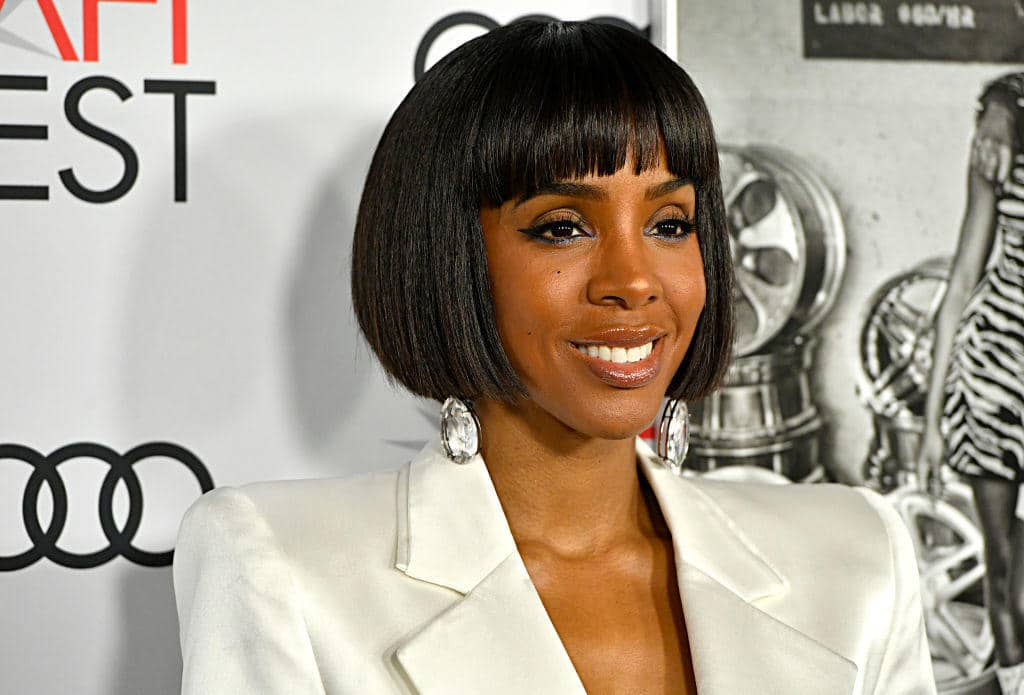
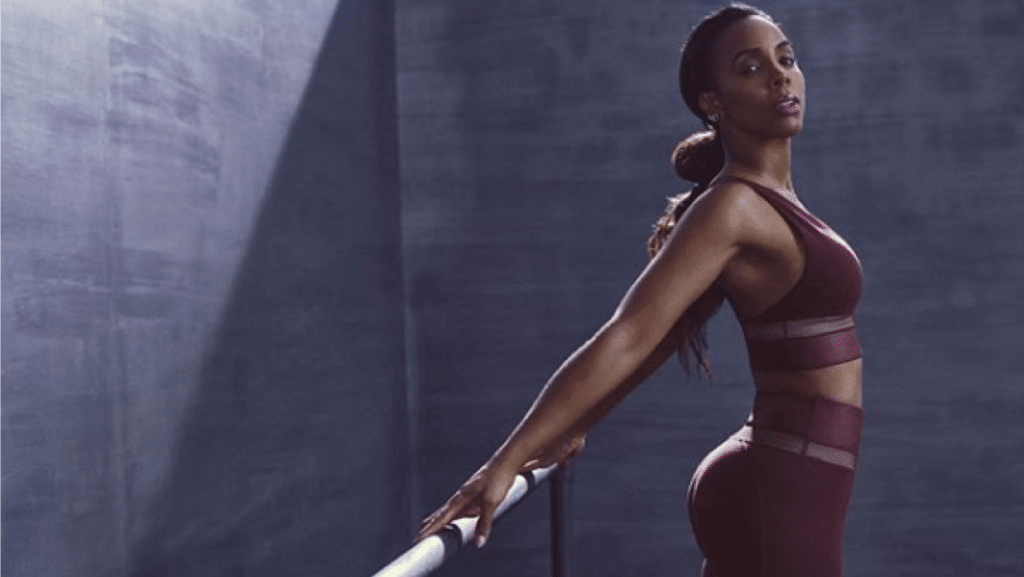
Kelly Rowland’s relationship with fitness has evolved over the years.
In her 20s, the Grammy Award-winning singer says she viewed strength through the lens of appearance. In her 30s, after becoming a mother, her focus shifted to building a body that could keep up with the demands of raising a family. Now, at 45, she’s approaching strength in an entirely different way.
“I’m lifting heavier now,” Rowland recently shared during an interview with Women’s Health. Her workouts now include strength training, Pilates, HIIT, and boxing—a combination she says leaves her feeling stronger than ever.
More importantly, Rowland says her goals are no longer centered on appearance alone.
“I don’t necessarily say aging anymore,” she explained. “My body is evolving.”
It’s a mindset shift that health experts say can help more women, especially Black women, rethink what strength means as they age. While many people still associate exercise with losing weight, resistance training plays a critical role in preserving muscle, supporting bone health and maintaining mobility as women get older.
Looking Good vs. Feeling Strong
One of the most revealing moments from Rowland’s interview wasn’t about a workout at all—it was about how her definition of strength has changed.
“In my 20s, I thought strength was cute,” she said. “In my 30s, I said, ‘I want to be strong.’”
Today, Rowland says she wants to maintain good posture, stay active, avoid unnecessary aches and pains, and continue moving confidently through every stage of life.
“I want to be able to stand upright,” she said. “Not have poor posture and my this hurt or my that hurt.”
That shift—from changing her appearance to protecting her ability to move—reflects a broader conversation happening among women in midlife.
RELATED: What Black Women Should Know About Hormones, Aging, Midlife
Why Strength Matters More in Midlife
Rowland’s fitness evolution isn’t just a personal preference—it reflects what happens biologically as women age.
Beginning in their 30s, women gradually start to lose muscle mass, a process that can accelerate during perimenopause and menopause as estrogen levels decline. Without regular resistance training and other healthy lifestyle habits, that loss can affect everything from metabolism and bone health to balance, posture and the ability to perform everyday tasks.
Dr. Michael Richardson, a family physician with expertise in sports medicine, says strength training becomes increasingly important during this stage of a woman’s life.
“Strength training becomes increasingly important for women in their 40s because this is when a lot of hormonal changes from perimenopause begin,” Dr. Richardson tells BlackDoctor. “Metabolism can start to slow, muscle mass naturally declines, and strength training helps preserve muscle, supports bone health, and gives your metabolism the support it needs during this transition.”
Beyond weight management, resistance training helps maintain bone strength, improve balance and coordination, and make everyday movements—from carrying groceries to climbing stairs—easier while reducing fall risk later in life.
Rather than chasing aesthetics alone, Rowland says she’s focused on building a body that will serve her well for years to come.
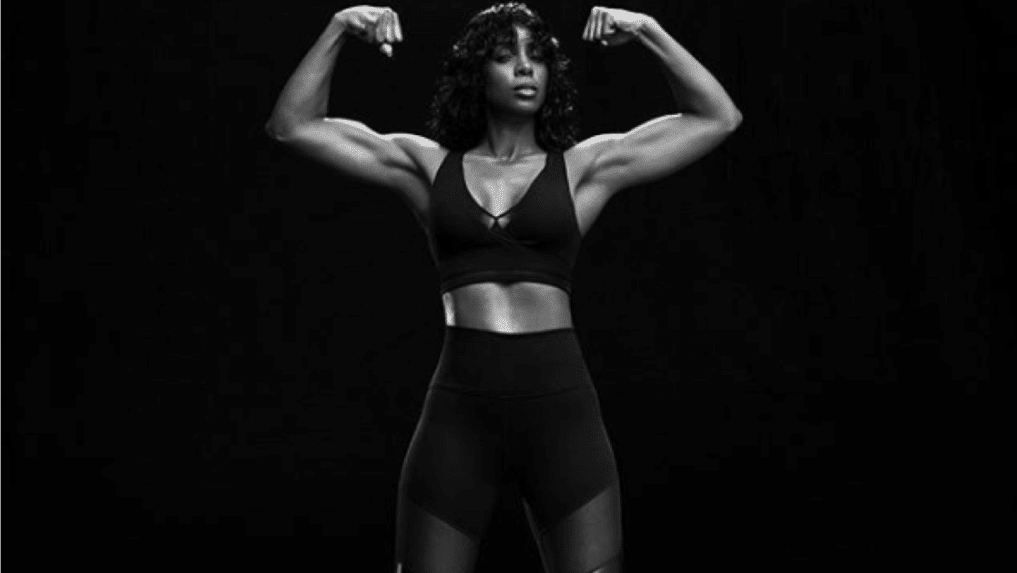
Why Strength Training Matters for Black Women
For many Black women, conversations about fitness have often centered on weight loss, body size, or appearance. But experts say strength training deserves a much bigger place in the conversation—especially in midlife.
Building and maintaining muscle isn’t just about changing how the body looks—it’s about supporting how the body functions. For Black women, that matters because they experience higher rates of conditions including high blood pressure, diabetes, and heart disease, making resistance training an important part of long-term health.
Dr. LaTasha Seliby Perkins, a family physician who advocates around health disparities affecting Black and Brown communities, says shifting the focus from looking good to feeling good can have benefits that extend far beyond the gym and that women should view strength training as an investment in themselves rather than another demand on an already full schedule.
“Strength training is not just about getting stronger,” Dr. Seliby Perkins tells BlackDoctor. “It’s about building enough muscle to continue doing the basic activities of daily living…and remaining independent for as long as possible.”
“Black women are naturally curvy, and I always say that every curve needs a muscle to hold it up!”
Dr. Seliby Perkins
For decades, many women have been encouraged to focus on becoming smaller. But strength training offers a different message: Your body is something to build, support, and care for—not something that needs to be constantly corrected.
“When my patients come in with hypertension, diabetes, or mental health concerns, one of the first conversations we have is about healthier habits—and exercise is part of that,” Dr. Seliby Perkins tells BlackDoctor.
In many ways, that’s exactly where Rowland has landed. What started as a desire to feel confident in her body has grown into something deeper: creating a body that can support her through motherhood, career demands, and every stage still ahead.
RELATED: 4 Ways to Turn Your Midlife Crisis Into a Fresh Start
How to Start Strength Training Safely
Hearing that someone like Kelly Rowland is lifting heavier weights may be inspiring—but for women who are new to strength training, it can also feel intimidating.
Experts say “lifting heavy” simply means choosing a weight that challenges your muscles while allowing you to maintain proper form. For beginners, that may mean starting with bodyweight exercises, resistance bands, or lighter weights before progressing to heavier loads.
Monique Caruth, PT, DPT, a physical therapist and spokesperson for the American Physical Therapy Association, says strength training should be approached as a gradual process.
“I never want a woman to reach her 70s or 80s and struggle to get out of a chair, climb stairs, or carry groceries because she believed strength training wasn’t for her,” Dr. Caruth tells BlackDoctor. “It’s one of the greatest gifts you can give your future self.”
“The strength they build in their 40s and 50s is an investment in their independence decades later.”
Monique Caruth, PT, DPT
Dr. Caruth also highlights the importance of mobility and recovery—two habits Rowland credits with helping her stay healthy during demanding tours and her own wellness routine. Strength training works best when paired with habits that support the body, including stretching, adequate rest, and proper movement patterns.
“Progress isn’t about impressing anyone else in the gym. It is about becoming a little stronger than you were yesterday,” says Dr. Caruth.
Women recovering from an injury or managing chronic health conditions should talk with a healthcare provider or physical therapist before starting a new program.
Dr. Caruth encourages women to think beyond looking stronger and focus on living stronger. She asks women to consider a few simple questions:
- Can you safely get up from the floor?
- Carry groceries?
- Lift your grandchild?
- Climb a flight of stairs without becoming exhausted?
Dr. Caruth says those are the real measures of strength.
“Start where you are, prioritize proper form over heavier weights, and remember that consistency over months and years will always outperform trying to do everything in the first week.”
RELATED: Why is Stretching So Good For Your Body?
Kelly Rowland’s Approach to Wellness Goes Beyond the Workout
For Rowland, strength training is only one piece of a larger wellness practice.
The singer shared that some of the biggest changes in how she cares for herself have come from creating consistent routines—including stretching, staying hydrated, paying attention to nutrition, and prioritizing recovery.
During her tour with Brandy and Monica, Rowland said stretching every night helped her avoid injuries and feel better throughout the demanding schedule.
“I had no injuries on that tour,” she said. “I had no ailing, no anything after I finished. I felt amazing.”
That experience changed the way Rowland viewed wellness. She realized caring for herself wasn’t about chasing trends or quick fixes—it was about consistently showing up for her body.
“It’s not Kool-Aid,” she said. “It’s like it’s some real realness…and it works.”