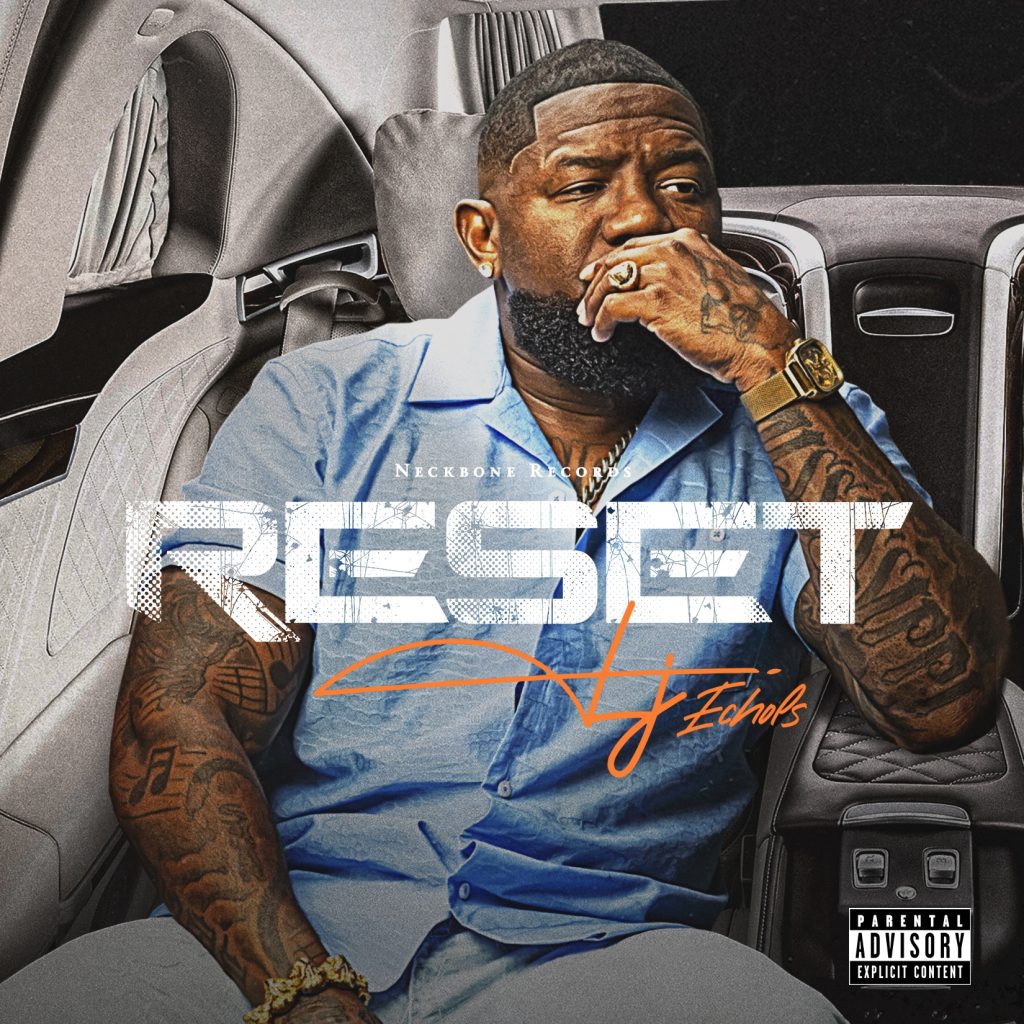
LJ Echols has spent more than two decades building a reputation in the Southern Soul and blues world through authentic storytelling, grassroots marketing, and a distinctive musical identity. Born in Bassfield, Mississippi, Echols began performing in a family gospel group before transitioning into Southern Soul in the early 2000s, eventually launching his own label and writing, producing, and performing his own music.
That journey — from church stages to juke joints and national tours — is exactly what has made his brand stand out in a crowded genre. But in recent years, some observers and fans within the Southern Soul community have begun raising concerns about a troubling trend: artists studying Echols’ formula and copying his branding, marketing tactics, and even content style rather than developing their own voice. 
The Blueprint That Others Are Studying
Echols’ success didn’t come from industry shortcuts. His brand has been built around several key elements that resonate deeply with Southern audiences:
- Authentic storytelling rooted in real-life experiences
- A grassroots connection with fans at live shows and online
- Country-soul imagery and Southern culture references
- Independent control of music production and branding
These elements are not accidental. Echols writes much of his own music and builds songs from personal experiences and lessons from life, a hallmark that fans recognize immediately.
Because of that authenticity, his style has become highly recognizable in the Southern Soul world.
And that’s where the problem begins.
 When Inspiration Turns Into Imitation
Southern Soul has always been a genre built on influence — legends inspire the next generation. But there is a line between influence and imitation.
Across social media and regional touring circuits, some artists appear to be replicating:
- Similar song themes and storytelling formats
- Identical marketing phrases and promotional styles
- Copycat social media video concepts
- Visual branding that mimics Echols’ image and tone
Instead of building a fresh identity, some performers are studying what Echols does and attempting to recreate it piece-by-piece.
The issue is not just artistic — it affects the entire culture of Southern Soul.
Why Originality Matters in Southern Soul
Southern Soul music was born out of individuality. The genre itself grew from the influence of pioneers who refused to sound like anyone else. From juke joint blues to modern soul storytelling, originality has always been the heartbeat of the music.
Artists like Echols helped keep that spirit alive by creating a style that is unmistakably their own.
When others simply copy the blueprint, it creates three major problems:
1. It weakens the creativity of the genre.
If everyone sounds the same, the culture stops evolving.
2. It disrespects the artists who built their brands from scratch.
Authenticity takes years of trial, failure, and growth.
3. Fans can tell the difference.
Southern Soul audiences are some of the most loyal — and they support artists who keep it real.
Authenticity Always Wins
In an era where viral content and quick fame tempt many artists to replicate what already works, the long game still belongs to those who stay true to themselves.
Echols’ career proves that authenticity can build a lasting legacy. His music blends gospel roots, blues storytelling, and Southern culture into a sound that fans recognize instantly.
The lesson for the next generation of Southern Soul artists is simple:
Study the greats.
Respect the pioneers.
But create your own lane.
Because in the end, the audience doesn’t fall in love with copies.
They fall in love with the original.