
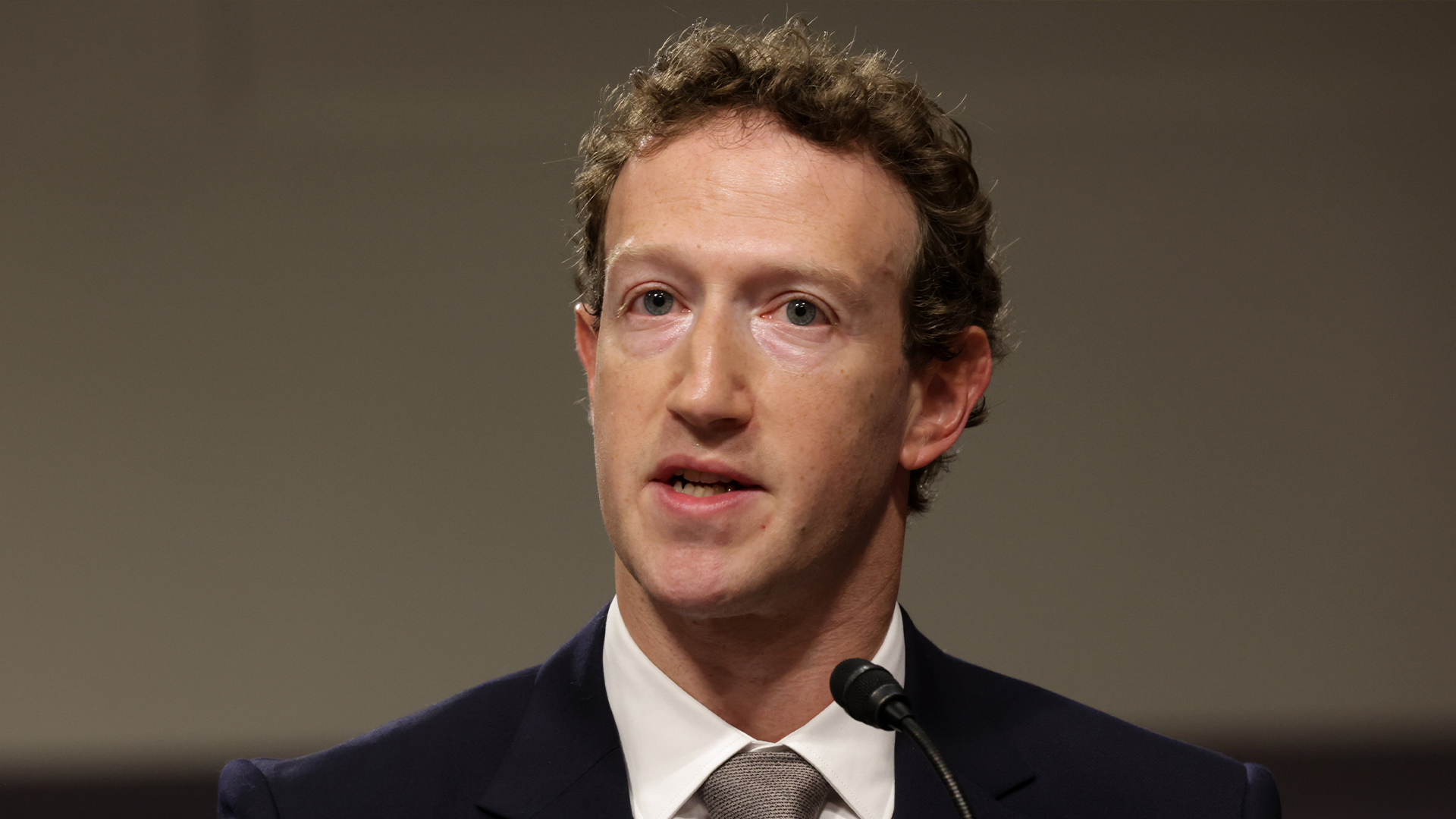
Tech leaders are divided over the pace of AI development.
Anthropic CEO Dario Amodei warned in a September letter about the technology’s rapid advancement. He said he has worked on AI for the past 12 years, and in the letter, he also acknowledged AI’s benefits, including medical innovation, economic growth, empowerment, and a new era of “democracy and freedom.” But he also warned of risks that can’t be overlooked.
“They include the risk of losing control of AI systems, misuse of AI for cyberattacks and bioterrorism, and serious economic disruption. A race to the bottom, spurred by commercial incentives, can make these risks more acute,” Amodei wrote in the letter.
His sentiments also align with those of Jacob Coxon, a former Anthropic researcher who announced his resignation via X on Sept. 8 in a post that has been viewed 172.8 million times (at the time of this writing). Coxon, who also conducted pretraining research at OpenAI, said Anthropic and OpenAI are not “acting responsibly,” warning about “superhuman systems that can hack anything, revolutionize any field overnight, and acquire real power and resources.”
“They are racing straight to self-improving superintelligence and gambling with our lives,” he wrote on X, adding that AI “could kill us all by the end of the decade.”
Nvidia CEO Jensen Huang feels differently. During the All-In Summit on Sept. 14, he said that collectively, American companies leading the charge will not allow AI development to slow down, TechCrunch reported. Huang shared this affirmation directly with President Donald Trump, who called him while he was speaking onstage.
Meta CEO Mark Zuckerberg shared on X that he, too, doesn’t want to slow the pace of AI development.
“There is a lot of debate about slowing progress on capabilities until alignment catches up. My view is that trust and alignment are quickly becoming the most important capabilities that will differentiate agents and models. Any lab that doesn’t focus on alignment will fall behind,” Zuckerberg wrote on X.
He also said the company prioritized safety and security for “several months” for Muse, a personal AI agent, understanding it was the right call for “people and for us.”
“Committing the significant majority of compute towards serving people rather than racing towards recursive self-improvement is one of the best ways to ensure we develop this technology safely. Meta has made this commitment and other labs can do this as well,” Zuckerberg said on X.
“I believe the key to building a positive future for everyone is maintaining the right balance of power. This is within our power to do,” he continued.