
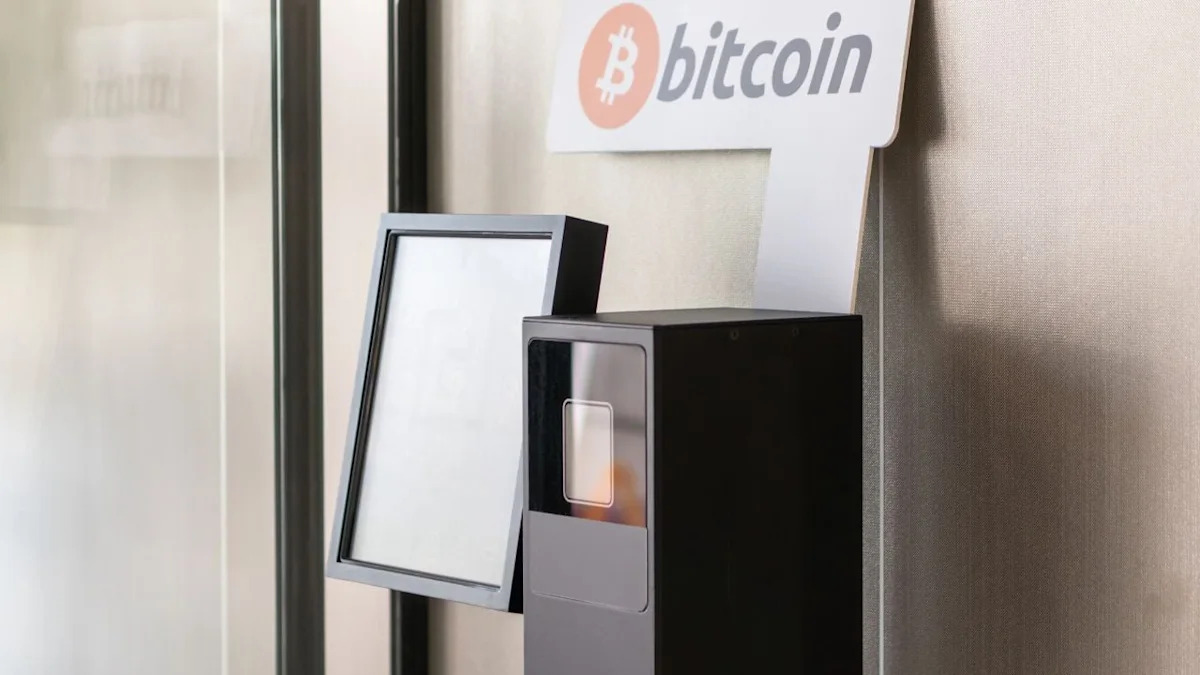
Minnesota is banning cryptocurrency ATMs after scam victims across the state reported nearly $1 million in losses tied to the machines.
The statewide ban takes effect Aug. 1, 2026, according to Fox News. Operators must remove publicly accessible machines by the end of the year.
The machines, also called virtual currency kiosks or crypto kiosks, let people turn cash into cryptocurrency. For scammers, that can be the whole point: a victim gets scared, goes to a machine, feeds in cash, and the money moves before anyone at a bank, store, or police department has time to stop it.
Fox News reported that Minnesota logged 134 complaints involving crypto kiosk scams between 2023 and 2025, with losses approaching $1 million. In 2025 alone, the state reportedly saw 70 cases and more than $540,000 in losses.
The Ban Follows Scam Cases Involving Older Minnesotans
Minnesota had already tried to regulate the machines before banning them.
In 2024, the state added safeguards for virtual currency kiosks, including warning signs, daily transaction limits, and refund protections for new customers. AARP Minnesota said scammers found ways around those rules, and lawmakers moved to a full ban during the 2026 session.
At a February hearing, Woodbury Det. Lynn Lawrence told lawmakers about a senior victim who had been scammed for eight months. The woman had completed at least 10 Bitcoin transactions over six months, was giving half of her monthly income to scammers, and feared she might have to live in her car, according to Minnesota House Session Daily.
Police Said Scammers Talk Victims Through The Screens
Lawrence told lawmakers that victims can be directed to use an existing customer number, enter cash, and bypass warning prompts. The machine may be in a gas station or grocery store, but the person controlling the transaction is often still on the phone.
The scammer does not need to hack an account. They need the victim to stay scared long enough to withdraw cash, drive to a kiosk, and follow instructions.
The scripts vary: missed jury duty, a fake bank-fraud investigation, a loved one supposedly in trouble, a fake tech-support problem, a romance scam, or a government agency demanding immediate payment. The payment step is the same: cash goes into the kiosk and cryptocurrency goes to a wallet the victim does not control.
The Machines Will Be Taken Out Of Public Use
Image Credit: Shutterstock.
The new law prohibits virtual currency kiosks in Minnesota starting Aug. 1, 2026.
Operators that conduct virtual currency transactions exclusively through kiosks must pay out money or virtual currency owed to customers by Dec. 31, 2026, according to the Minnesota House summary of the new law. Customers may be paid in U.S. dollars equal to the market value or through a transfer to a virtual currency wallet they designate.
The law was sponsored by Rep. Erin Koegel and Sen. Amanda Hemmingsen-Jaeger. AARP Minnesota said Gov. Tim Walz signed the bipartisan bill on May 5.
Kiosk Operators Argued The Machines Were Not The Scammers
The bill had opposition from the kiosk industry.
At the February hearing, Larry Lipka, general counsel at CoinFlip, told lawmakers the company understands there is a scam problem in the United States but said kiosks are not the only avenue for scams and kiosk operators are not the bad actors.
Lawmakers still moved ahead. AARP Minnesota said the state now joins Indiana and Tennessee as the third state to prohibit cryptocurrency kiosks.
Supporters of the ban argued that the machines had become too useful in the exact moment scammers exploit: when a frightened person has cash in hand and believes they must act immediately.
The Scam Script Still Applies Outside Minnesota
The Federal Trade Commission says no government agency or legitimate business will ever demand payment in cryptocurrency. The FBI also tells people not to send cryptocurrency, wire transfers, cash, or gift cards to anyone who says they need it to fix fraud, protect money, or prevent arrest.
Before reaching the machine, the next call should be to the bank, police department, court, sheriff’s office, or agency the caller claimed to represent. The number should come from an official website, statement, card, or local government page, not from the person on the phone.
If money has already gone into a crypto kiosk, the victim should contact local police, the kiosk operator, the state attorney general’s office, and the FBI’s Internet Crime Complaint Center at IC3.gov. Recovery is not guaranteed once cryptocurrency moves, but the fastest report gives investigators the best chance to trace the wallet and alert the operator.