
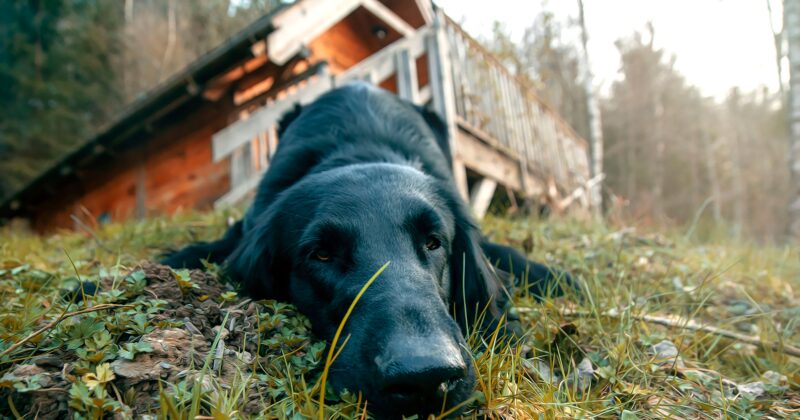
Traveling with a pet changes a cabin getaway in ways that are usually worth the extra planning. Your schedule slows down, accommodation matters more, and details such as floor space, outdoor access, driving time, and feeding routines suddenly matter. Gatlinburg can be busy during peak travel periods, so bringing a pet adds one more reason to plan carefully. The goal is to make sure the cabin, schedule, and packing choices work well enough that everyone can relax.
Choose the Cabin for Your Pet as Well as Yourself
A mountain view may catch your attention first, but the cabin layout will affect the trip more often.
Think about how your pet behaves at home. An older dog may struggle with repeated stairs. An anxious pet may settle better in a quieter property. A large crate needs real floor space.
When comparing pet-friendly cabins in Gatlinburg, Parkside Cabin Rentals offers designated properties for guests traveling with pets, with different layouts, amenities, and pet policies. Checking fees, size limits, cleanup rules, and crating requirements before booking can prevent problems after arrival.
The best cabin is not simply one that allows pets. It is one that works for the way your household travels.
Pack for Familiarity, Not Just the Basics
Food, medication, a leash, and waste bags are obvious. The less obvious items can make a new cabin feel normal much faster.
Bring the bed or blanket your pet regularly uses. A familiar toy can help too. Keep feeding routines close to normal instead of changing everything because you are on vacation.
A spare leash and collar are worth packing. So are towels for muddy paws, a portable water bowl, cleaning supplies, and enough food to cover an unexpected delay.
Set up one small pet area after arriving. Put food, water, the bed, leash, towels, and waste bags in predictable places. That gives the pet a familiar base.
Make the Drive Part of the Planning
A smooth cabin stay can begin with a miserable journey if your pet is uncomfortable in the car.
Animals that rarely travel long distances may benefit from shorter practice drives before the trip. A carrier or suitable restraint should also be introduced before departure rather than becoming brand-new on travel day.
For longer journeys, pets should travel securely and have regular opportunities for water, bathroom breaks, and movement. Identification should also be current in case the animal becomes separated from you.
Keep essentials easy to reach. Water, a leash, medication, and cleaning wipes are not useful when buried under every suitcase.
Never leave a pet unattended in a parked vehicle.
Leave More Empty Space in the Itinerary
People can understand why a day has six activities scheduled. Dogs cannot.
New smells, car rides, unfamiliar people, different surfaces, and constant stimulation can be tiring even for energetic pets.
A morning outing followed by quiet time at the cabin can work better than moving continuously from one activity to another. If the group wants to visit somewhere pets cannot comfortably accompany them, divide responsibilities rather than forcing the animal into an unsuitable setting.
Cabin time is part of the vacation anyway. Read, cook, sit outside, or simply let everyone recover.
Treat Outdoor Safety Differently From a Walk at Home
New surroundings create new distractions.
Wildlife scents, unfamiliar noises, uneven terrain, other animals, and moving vehicles can all affect behavior. A dog with excellent recall at home may react differently somewhere unfamiliar.
Keep pets supervised and appropriately restrained outdoors. Before traveling, confirm identification details are correct. Keeping microchip information current improves the chance that a lost pet can be reunited with its owner.
Check paws after longer walks and carry water rather than assuming a safe source will always be available.
If your pet takes regular medication, know where the nearest veterinary care is before you need it.
Protect the Cabin Without Making Everyone Miserable
Pet-friendly accommodation still comes with responsibilities.
Do a short walk before entering the cabin for the first time. An animal that has spent hours in the car may settle more easily after moving around.
Keep food in a defined area and wipe muddy paws near the door. If your pet scratches doors when anxious, jumps onto furniture with dirty feet, or reacts strongly to noises outside, plan around those habits.
Crates can be useful for animals already comfortable with them. They should not suddenly become a punishment because you are staying somewhere new.
Respecting the property also makes pet-friendly travel easier for future guests.
Keep Meals and Routines Boring
Vacation is exciting enough. Your pet’s diet does not need to become adventurous too.
Suddenly changing food, offering unfamiliar leftovers, or allowing far more treats than usual can create stomach problems at the worst time.
Bring the food your pet already eats and keep normal meal times where practical. Maintain medication schedules too.
A familiar evening walk, bed, blanket, or crate gives the animal recognizable signals even when everything around them feels new.
Share Pet Responsibilities Before the Trip Starts
Group trips create one predictable problem: everyone assumes somebody else handled the dog.
Decide who is responsible for morning walks, meals, evening breaks, and staying behind if the group chooses an activity where the pet cannot go.
That does not require a detailed schedule. It simply prevents confusion when everyone is ready to leave and nobody has walked the pet.
Adults still need to make sure the pet’s basic needs are covered.
Let the Pet Change the Pace of the Trip
Traveling with an animal removes some spontaneity.
You cannot stay away all day without thinking about feeding, bathroom breaks, exercise, and comfort. Certain activities may require splitting the group or returning to the cabin earlier than planned.
That trade-off can improve the trip. You spend more time outdoors. Mornings become slower. The cabin itself gets used instead of functioning only as somewhere to sleep.
The best pet-inclusive getaway is not one where the animal somehow fits around a packed human itinerary. It is one where accommodation, driving, outdoor time, meals, and downtime were planned with the pet in mind from the beginning.
Pack familiar things. Understand the property rules. Leave space in the schedule. Keep safety simple and routines recognizable.
Then enjoy the slower pace. For many people, having the dog stretched out nearby while everyone settles in for the evening is one of the reasons the trip feels complete.