
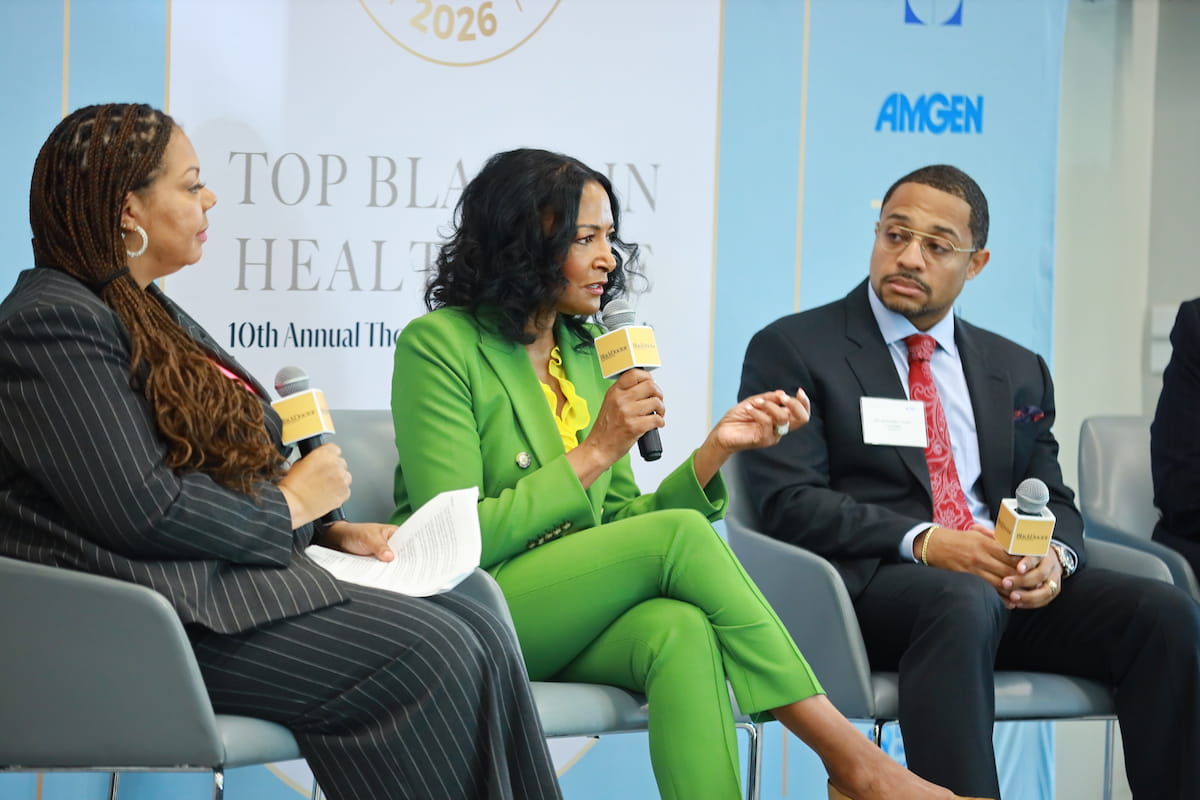
Heart disease remains the leading cause of death for Black Americans, with persistent disparities in high blood pressure, heart failure, and stroke. Black women, in particular, continue to face significantly higher risks and poorer cardiovascular outcomes.
During the panel “Heart Work: Addressing the Silent Crisis in Our Community,” at BlackDoctor’s 10th Annual Thought Leadership Summit, cardiology experts Dr. Jayne Morgan (Hello Heart), Dr. Keith Ferdinand (Tulane University School of Medicine), and Dr. Tony Lozama (Novartis/Association of Black Cardiologists) discussed the barriers, risks, and solutions shaping heart health in Black communities.
Why Access to Healthcare Still Determines Outcomes
“The number one cause of poor outcomes is not having insurance,” Dr. Ferdinand said. And for those who are insured, they may still struggle with copays, deductibles, prescription costs, and access to specialists.
When people can’t afford care, it delays early interventions and treatment that could prevent disease progression. In fact, many Black patients may wait until symptoms become severe before seeking care because of cost concerns.
“You can’t stuff enough dollars in your mattress to get medical care in the U.S. today,” Dr. Ferdinand said.
When possible, it’s crucial to access the preventive services that are covered by your insurance, such as:
- Annual physical exams
- Blood pressure checks
- Cholesterol testing
- ECG/EKG screenings
RELATED: BlackDoctor’s 10th Annual Thought Leadership Summit Tackles Health Inequities and Solutions
Why Black Women Face Unique Heart Health Risks
Black women, in particular, are disproportionately affected by cardiovascular disease. “For Black women over the age of 20, 60 percent have some form of heart disease,” Dr. Lozama said.
According to Dr. Morgan, “being a woman is the risk factor for a heart attack.” Heart attacks may present differently in Black women, with many reporting fatigue, shortness of breath, nausea, and pain in the jaw, neck, or back.
These symptoms may reflect the “weathering effect,” in which chronic stress, racism, caregiving burdens, and socioeconomic pressures can negatively impact long-term health.
Menopause and pregnancy complications, such as preeclampsia and preterm birth, are lesser-known cardiovascular risk factors that many Black women may not be aware of.
It’s crucial for Black women to discuss pregnancy history, family history, menopause symptoms, and persistent fatigue or chest discomfort with their providers to protect their heart health.
Why Preventive Care and Self-Advocacy Matter
The good news is that many cardiovascular risk factors can be identified early through routine screenings. Panelists emphasized that patients should feel empowered to advocate for themselves in the doctor’s office by requesting specific screenings to assess their heart health.
“Ask for an ECG/EKG before you leave — now you’re speaking their language,” Dr. Morgan said.
An ECG/EKG is a quick test to measure the heart’s electrical activity. It records the electrical signals in the heart that can signal heart rate, rhythm, and potential damage or disease.
Getting your lipoprotein(a) (Lp(a)) levels is just as important. Lp(a) is an inherited form of LDL cholesterol that can significantly increase your risk of heart attack, stroke, and aortic valve disease. It’s a lesser-known cardiovascular risk factor that many patients don’t know they have.
“I have had patients with high Lp(a)s, but no one had told them that,” Dr. Ferdinand said.
You can advocate for your health by asking your provider about blood pressure, cholesterol, Lp(a) testing, ECG/EKG screenings, and heart disease risk based on family history.

Lifestyle Changes Still Matter
Small, yet meaningful lifestyle habits can significantly reduce the risk of heart disease. As the panelists shared, protecting heart health is a whole-body approach, meaning preventive care is required for all parts of your body — from your teeth to physical activity.
“Get dental care, get a flu shot, and move,” Dr. Morgan said. “We removed movement from our lives, and we’re getting sicker.”
Rewriting the Future of Heart Health Equity
Black communities and healthcare professionals can improve cardiovascular outcomes through:
- Better access
- Preventive care
- Community engagement
- Better healthcare coordination
If changes aren’t made to the current system, it will continue to produce unequal health outcomes for Black communities.
“The system is getting the outcomes that the system has designed to get,” Dr. Lozama said.
Empowering Patient Advocacy
Black patients should feel empowered to advocate for themselves — whether it’s cardiovascular health or other areas of health. Communities also deserve equitable access to healthcare to help reduce poorer cardiovascular disease outcomes. Asking questions, requesting screenings, staying active, and prioritizing routine care can help Black patients take control of their cardiovascular health and improve outcomes for future generations.