
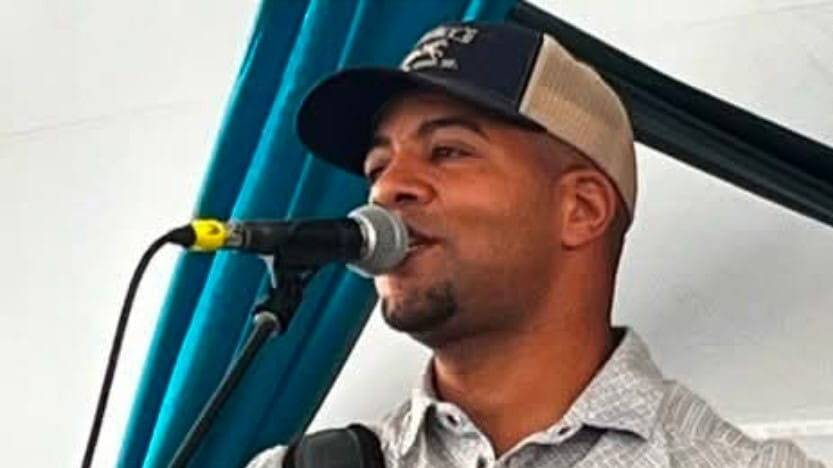

When Wayne Singleton, a 45-year-old Louisiana-based Creole touring musician who also works as a cattle farmer, was diagnosed with prostate cancer, he was young, fit and had no symptoms.
“My wife was very adamant about me taking a thorough physical because I never would. And after bugging me for so long, I finally agreed to do so just to get that out of the way and to satisfy her,” Singleton recalls.
A Routine Physical Revealed Something He Never Expected
When he went in for the physical, his doctor made an unexpected remark.
“He told me, he said, ‘I know you’re too young for this, but I’m just going to check your PSA just to do it, just to get everything out of the way.’ And thank God he did. My PSA levels were through the roof. I didn’t have no symptoms whatsoever,” Singleton tells BlackDoctor.
Singleton underwent a biopsy, which confirmed that he had prostate cancer.
His doctors couldn’t explain why someone so young and otherwise healthy would develop the disease. However, prostate cancer can affect Black men differently. Research has shown that Black men are more likely to develop prostate cancer and tend to be diagnosed at younger ages.
RELATED: What If Your Next Doctor’s Visit Could Catch Prostate Cancer Earlier?
According to the American Cancer Society’s 2026 Cancer Facts & Figures report, Black men are nearly 70 percent more likely than white men to be diagnosed with prostate cancer. They’re also twice as likely to die from the disease, a disparity attributed to Black men receiving more late-stage diagnoses and having less access to high-quality care.
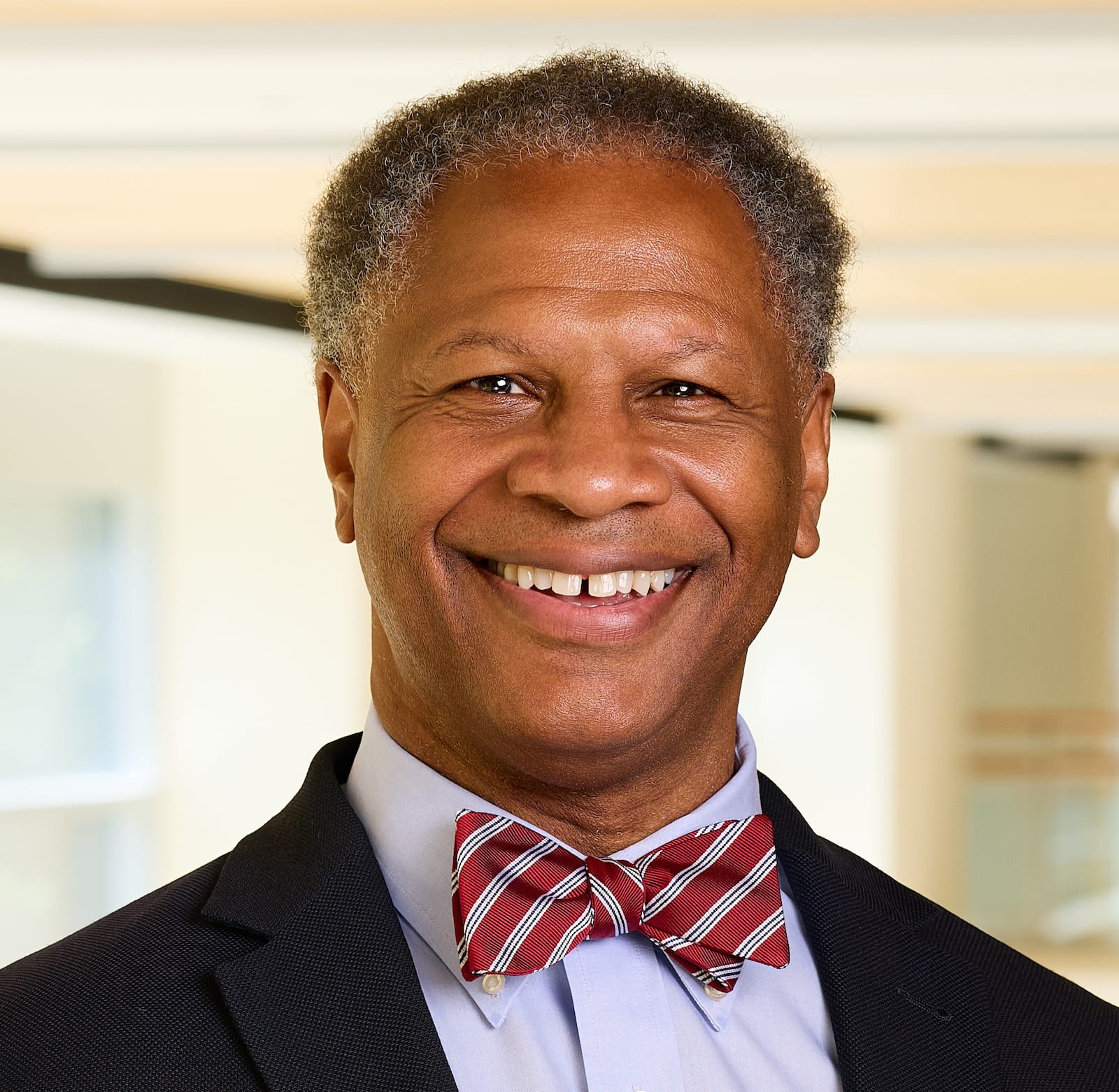
Dr. Robert Winn, cancer center director at Temple Fox Chase Cancer Center in Philadelphia and a member of the national board for the American Cancer Society, says Black men need to understand their increased risk.
He also points to the trend of prostate cancer being diagnosed at younger ages among Black men.
“When it comes to being diagnosed with cancers like prostate cancers that are at an earlier age, and that are a little bit more aggressive. We’ve certainly seen that that is a trend,” Dr. Winn explains.
In fact, the doctors at MD Anderson in Houston had never seen prostate cancer in someone so young.
“They were figuring, if it’s in a guy this young, it could very well be an aggressive form,” Singleton shares.
Dr. Winn says screening guidelines reflect the increased risk Black men face.
“When we look at the guidelines from the Prostate Cancer Foundation and from the American Cancer Society, it calls for the screening of Black men for prostate cancers, sometimes often three to even nine years earlier than we would in non-Black men,” he says.
His Wife Helped Him See Why Treatment Mattered
Initially, Singleton, who lives every day like it’s his last, didn’t want to get treatment.
“I was like, ‘This is what it is, I don’t want to do it,’” he says.
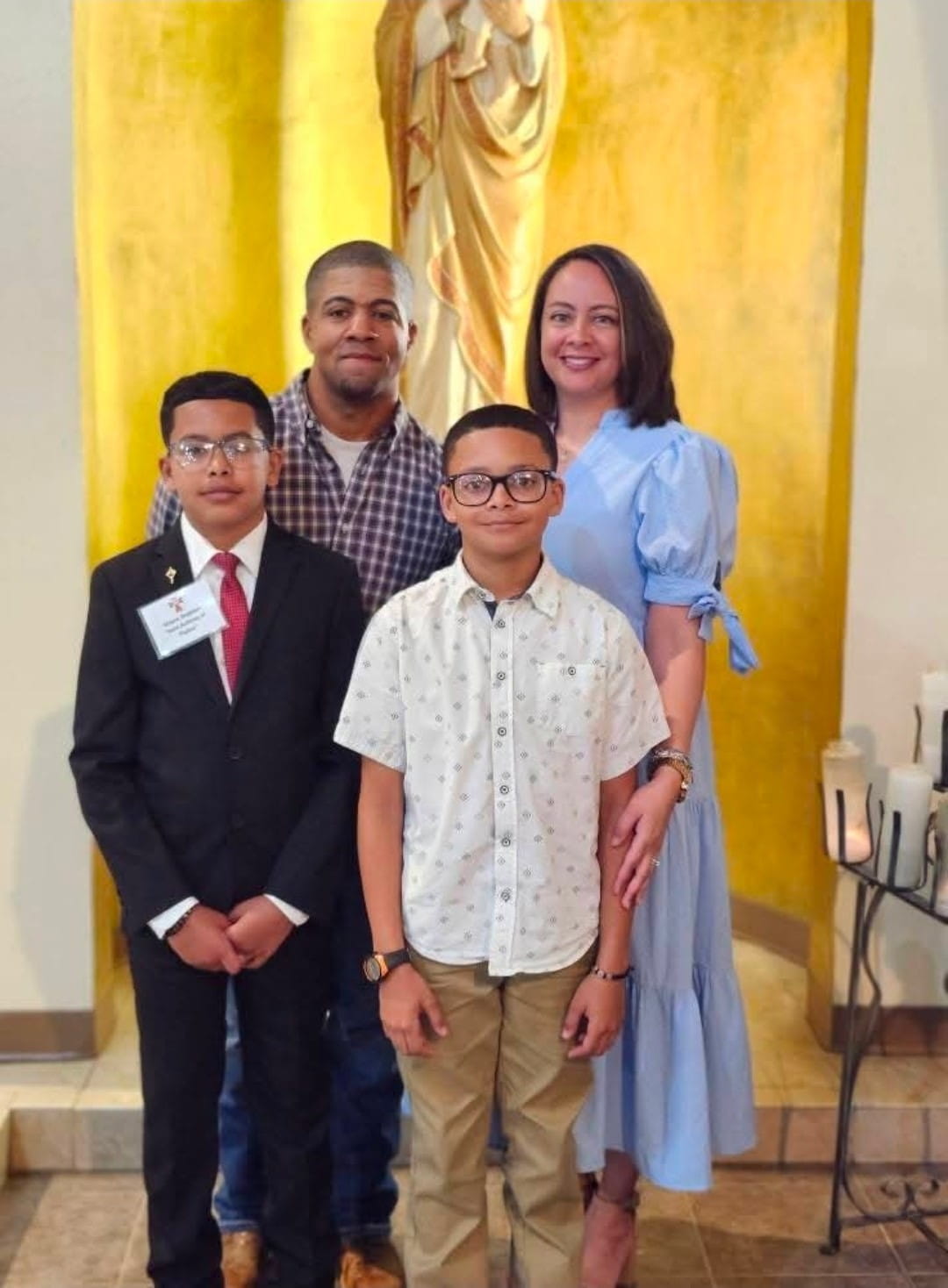
Once again, his wife intervened. She reminded him of their two young children, helping him understand why he needed to move forward with treatment.
“I had two young kids and [she] made me see why I needed to do this, and I’m very thankful she did that,” Singleton says.
The experience also helped him see the potential impact his story could have on others.
“I never thought about it in terms of looking at the positive impact that I’m having on people now being an advocate,” Singleton adds. “Not a lot of people have the platform that I have. I play music all across the country, all around the world, and can just stop a show to bring awareness to something like that.”
Singleton ultimately underwent a prostatectomy to remove his prostate. One of the downsides was that he would no longer be able to have children. Fortunately, he was grateful for the two sons he already had.
“I healed up quickly and made a full recovery, and I’m here to tell about it now,” he says.
Today, he is grateful to still be here. He volunteers with the American Cancer Society, often using his live music performances as an opportunity to talk about prostate cancer and the importance of being proactive about your health.
“Advocating is a big thing for me, especially with my platform,” Singleton shares. “Playing music, so I’m able to reach a whole lot of different people and bring awareness.”
Prostate Cancer Isn’t Just an “Old Man’s Disease”
Naturally, given his young age at diagnosis, one of the things Singleton is passionate about is educating men about the fact that prostate cancer is not just an “old man’s disease.”
“I would definitely like to get the point across that, once again, this is not a disease for older guys,” he says.
His experience taught him that health concerns can affect anyone, regardless of age.
“Anything can happen to anyone at any point,” Singleton says. “We all like to think that we are healthy. we need to get thorough physicals; we need to get check-ups.”
When he looks back on his journey, he’s especially grateful for his wife’s persistence.
“I probably wouldn’t be here right now… being a typical guy and thinking that nothing like that could happen to me,” he says.
His hope is that more men will take their health seriously and talk with their doctors about prostate cancer before it becomes a more serious problem.
“I don’t want anybody to find out they have it at all… but if you have to have it, we need to find out early, we need to get on a regimen, a plan and make the positive happen,” Singleton says.
His Diagnosis Changed His Perspective on Life
Singleton is also grateful for the new perspective on life he gained from his diagnosis.
“It changed my perspective on a whole lot of things. It gave me more direction on where I needed to go with my music career, and what I could actually do with it,” he says.
Before his diagnosis, he says, his priorities looked different. After prostate cancer, his focus shifted toward using his platform to help others.
“My biggest thing right now is getting in front of as many people as possible and telling my story and trying to bring awareness,” Singleton says.
Although he has been cancer-free for years, he says he hasn’t forgotten what he went through.
He Wants His Sons to Know Their Health Matters
As a father of two sons, Singleton also knows the importance of having these conversations with his children early.
“As my sons get older, I’m going to definitely bring it to their attention… Although we may be too young, we still need to get testing, get a PSA check,” he shares.
He says he often encounters resistance from other young men when he talks about prostate health.
“I find that most young men that I talk to, as soon as you say, ‘ You need to get your prostate checked, it’s like, ‘Oh no, we’re not doing that,’” he says.
Dr. Winn says men should know that screening does not necessarily mean undergoing a digital rectal exam.
“What men need to know [is] that there are multiple tests now, beyond just the digital rectal exam…including a simple blood test called the PSA,” Dr. Winn says.
For Black men, Dr. Winn says the conversation about screening should start earlier.
“We think that most African American men need to give the first baseline test between 40 and 45,” he explains.
Men with additional risk factors may need to start even earlier.
“Men with a strong family history of prostate cancer, or just high-risk genetic changes, like BRCA mutations, should begin to engage in screening at 40 years old,” Dr. Winn says.
Winn also emphasizes the importance of knowing your family history. Having a father, brother, or son diagnosed with prostate cancer doubles or triples a man’s risk, according to Zero Prostate Cancer.
“Family secrets kill,” he says. “Most men have no idea who died from prostate cancer in their families.”
He encourages men to pay attention to a history of cancer in their families, particularly when multiple relatives were diagnosed at younger ages.
“If you had men or women, you know, in your family dying before the age of 55 from cancer, it should make you much more suspicious that you may be a candidate to get a prostate cancer screening at an early age,” Dr. Winn explains.
He adds that men who believe they may be at higher risk should talk with their healthcare provider rather than waiting for symptoms.
Dr. Winn also acknowledges that there is still more researchers need to understand about cancer diagnoses among younger adults.
“There is an unfortunate alarming new trend that we’ve been tracking since the time of COVID, where it appears that for many men, younger people [are] getting it much more rapidly than we had first thought,” he says.
“The answer at the moment is we do not,” Dr. Winn says when asked why younger men and women are developing cancer at higher rates. “But there is a number of research efforts sponsored by folks like the American Cancer Society, among others, who are looking at why younger men and women are one of the fastest growing groups of people getting cancers that we can’t explain.”
He says more research is needed to understand why people in their late 20s and 30s, as well as early 40s, are being diagnosed with cancer.
For Singleton, part of his advocacy is helping men move past the fear and stigma surrounding prostate health.
“They have all these ideas about the horrors of getting your prostate checked, and I have to start explaining. I had blood drawn, and my PSA levels were looked at. At least do that,” he says.
He wants young men to understand that taking action can be far less frightening than ignoring their health.
“It’s not as horrible as you think, and if you don’t get it checked and you do end up with it, it can be horrible. So let’s deal with the lesser of the two right now,” Singleton says.
RELATED: Prostate Cancer Survivor’s Message to Black Men: “Don’t Wait Till Something is Wrong”
He’s Still Here—and Using His Story to Help Other Men
For Singleton, his experience is ultimately about making sure other men understand that prostate cancer can happen to them, too.
“Please, please be aware that it can happen,” he says. “I was one of the lucky guys at a young age. They expected it to be aggressive, [but] caught it in time.”
He is especially grateful that early detection gave him more time with his family.
“I’m still here to see my teenage sons grow up,” Singleton says. “Something that could have been taken away from me because of being ignorant of the fact of what’s out there, and what can happen.”
Dr. Winn says Black men should also understand that progress has been made in prostate cancer treatment and survival.
“I do want to paint the picture that even though…we still are doing less well than non-Blacks, it is not true that we have not as a people made progress,” he says. “Black men have reduced the number of deaths by over 50 percent. That’s something to be proud about,” Dr. Winn adds.
Now cancer-free, Singleton is focused on music, family and advocacy. He hopes that by continuing to share his experience, he can encourage other men to take their health seriously and understand that prostate cancer can happen at any age.
“Until the day that my life is over, I’m going to be talking about what I went through, and hopefully being as positive of a role model and an example as I can to hopefully prevent this from happening anywhere,” he concludes.