
Uterine fibroids strike Black women at two to three times the rate of white women, with earlier and more severe symptoms, sometimes as early as the late 20s!
In fact, by age 35, nearly 60 percent of Black women have fibroids, contributing to issues like menstrual bleeding, intense pelvic pain and pressure, advanced anemia, and profound fatigue that can disrupt everything.
And the science, unfortunately, backs it all up. When chronic heavy bleeding leads to iron-deficiency anemia, this reduces oxygen delivery to your tissues. And when there’s less oxygen throughout your body, excessive fatigue naturally results. The larger the fibroids, the more inflammation, leading to even worse fatigue.
But it’s not all doom and gloom.
Reclaiming your energy doesn’t have to drain you further! Let’s cover five practical ways, supported strongly by the latest research, that can help you get back that pep in your step.
1. Take Advantage of Culturally-Centered Care
The first thing you should do before any daily lifestyle tweaks is familiarize yourself with the top resources at your disposal. Because Black women often experience diagnostic delays and rushed recommendations for hysterectomies, it’s critical that you pump the brakes.
Let’s not forget that many doctors are overloaded with patients. Clinics and practices are crowded, resources are limited, and unless you’re seeing a specialist who has experience with Black women’s fibroids specifically, there’s a good chance you’re not getting top-tier treatment.
This is where organizations like the Black Women’s Health Imperative (BWHI) come in. The BWHI offers fibroid-specific education, self-advocacy guides, and community stories that actually connect to Black experiences. In addition, the Center for Black Health & Equity is another great organization. It provides targeted materials on women’s reproductive health and fibroids, including strategies for communicating concerns to providers.
So, ask your doctor! Or, if you’d like to do it independently, search for specialists experienced with higher fibroid burdens in Black women. Look for fibroid clinics or interventional radiologists skilled in minimally invasive options. With these simple steps, you’ll avoid isolation, feel more empowered, and get the outcomes you deserve.
2. Incorporate Anti-Inflammatory Nutrition
Many of the resources you discover in your fibroid journey will note the importance of nutrition.
This is because chronic inflammation significantly contributes to fibroid growth and symptoms. Not to mention, heavy bleeding worsens anemia and fatigue. Fortunately, an anti-inflammatory eating pattern can help calm this cycle and boost iron levels without sacrificing the flavors and cultural traditions you love.
Many studies emphasize the use of turmeric, which contains the bioactive compound curcumin, well-documented for its anti-inflammatory and antioxidant effects. Then there’s ginger, which also reduces inflammation and can potentially ease heavy menstrual flow.
Incorporating them is easy. Simply add fresh or powdered turmeric and ginger to daily meals, whether it’s ‘golden tea’ with hot milk, turmeric, and a pinch of black pepper, or delicious soups and stews.
And don’t forget to include plenty of leafy greens, like collards, kale, and spinach, as these are great for iron, fiber, and antioxidants that keep your hormones in check.
You can also adapt soul food classics. For instance, cook greens with smoked turkey or herbs instead of salt pork to lower sodium. If you like beans and rice, season them with garlic, onions, bell peppers, and spices like smoked paprika or cumin.
Just remember, protein sources should be lean – fish, chicken, and lentils – and are best absorbed when paired with foods rich in Vitamin C. We’re talking tomatoes, citrusy fruits, and certain peppers.
While diet alone won’t shrink fibroids, these changes will definitely help with inflammation, returning steady energy, and fighting back against anemia.
3. Use Simple At-Home Therapies
Aside from what you put in your body, what you put on it is also crucial.
Consider heat therapy. Heat therapy offers fast, accessible relief for pelvic cramps, back pain, and pressure from fibroids. Applying all that warmth also aids blood flow, which can help relax tight muscles and reduce pain signals without the need for pain meds.
The best way to do this is by using a heating pad or electric heat blanket on a low-to-medium setting. Do it for 15–20 minutes at a time, particularly on your lower abdomen or lower back. Many women report noticeable relief when doing this, especially during flare-ups.
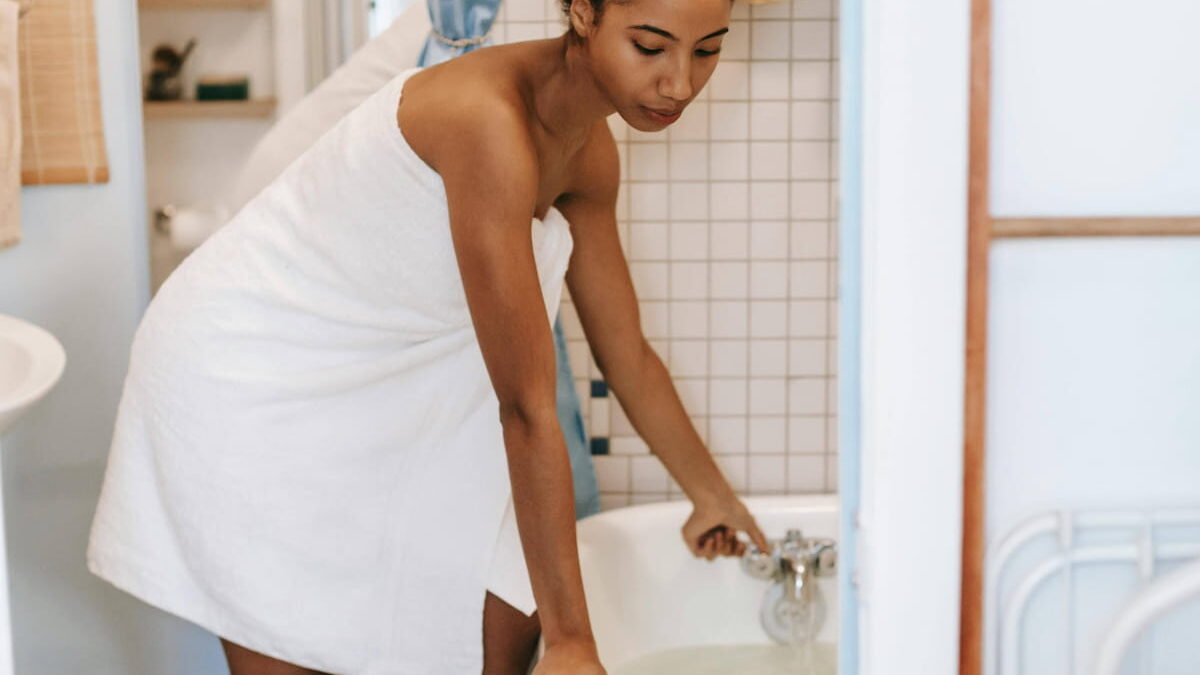
Also, don’t neglect bathing. Warm baths with Epsom salts provide similar soothing effects. Again, 15-20 minutes is all you need. There’s virtually no risk, and these methods can be repeated as needed!
4. Explore Uterus-Sparing Treatment Options
When we say “uterus-sparing,” what we’re referring to are treatments that preserve fertility, keep your hormones balanced, and protect long-term well-being. The reason this is so important is that Black women typically receive recommendations for a hysterectomy more frequently than other races.
In many cases, this is an overreaction when less invasive approaches would work.
Consider, for example, uterine fibroid embolization (UFE), a minimally invasive procedure in which tiny particles block the blood supply to fibroids. As a result, the fibroids shrink, decreasing symptoms across the board. Also, the recovery from this procedure is far quicker and easier than with open surgery.
Myomectomy, which is the surgical removal of fibroids, is another top option, especially for women planning on having children at some point. Myomectomies leave the uterus intact, but are not surefire, as recurrence rates of fibroids can be higher than with other procedures.
Again, it all comes down to your unique case and preferences. Discuss these options with your provider. Factors such as your age, symptoms, and personal preferences should be carefully weighed before making a final decision.
What are the recovery times? What are the fertility impacts? What are the success rates?
These three main questions should be at the front of your mind as you prepare for your next doctor visit. Because Black women often face higher rates of open procedures and complications with hysterectomies, knowing your alternatives is key!
5. Build Sustainable, Simple Exercise Habits
Last but not least is exercise.
The good news is, you don’t have to become a gym rat or workout hero to reap the benefits. It turns out, gentle, consistent movement has numerous perks for women and fibroids. These types of activities have been shown to improve circulation, reduce bloating and pelvic congestion, support mood, and combat fatigue. High-impact exercise, by comparison, may actually worsen heavy bleeding and pain, especially during flare-ups.
Ready to get moving?
To start, incorporate daily walking, no more than 10-15 minutes at the beginning. Slowly build to 20-30 minutes, most days of the week, increasing your pace to a brisk tempo as you go. This will not only increase blood flow but also release endorphins, boosting energy and relieving pain.
Other activities, such as swimming and water aerobics, are also ideal due to their low-impact nature. When you’re in a pool, buoyancy actually reduces pressure on the pelvis while increasing your overall stamina. It’s a great way to get fitter and address symptoms – especially bloating.
Finally, there’s modified yoga. This exercise modality offers additional benefits and includes options such as gentle chest openers, cat-cow variations, a supported bridge, or child’s pose. You can easily look up ‘modified yoga for fibroids’ on YouTube and find plenty of ways to work it into your schedule.
Just make sure you avoid deep twists or intense core work if they increase pain. As always, listen to your body and modify as needed.
Aim for consistency. Intensity can be increased slowly over time, but the main goal is to sustain the exercises. Even short sessions help regulate hormones, reduce inflammation, and fight the fatigue cycle.
Overall, the potential benefits of the five approaches in this article cannot be overstated. And if you ever feel alone, it’s not hard to partner with providers who listen and connect with organizations that center Black women’s voices.
Celebrate your victories, no matter how small. Stay positive, stay realistic, and stay committed. Less pain and more energy are right around the corner…