
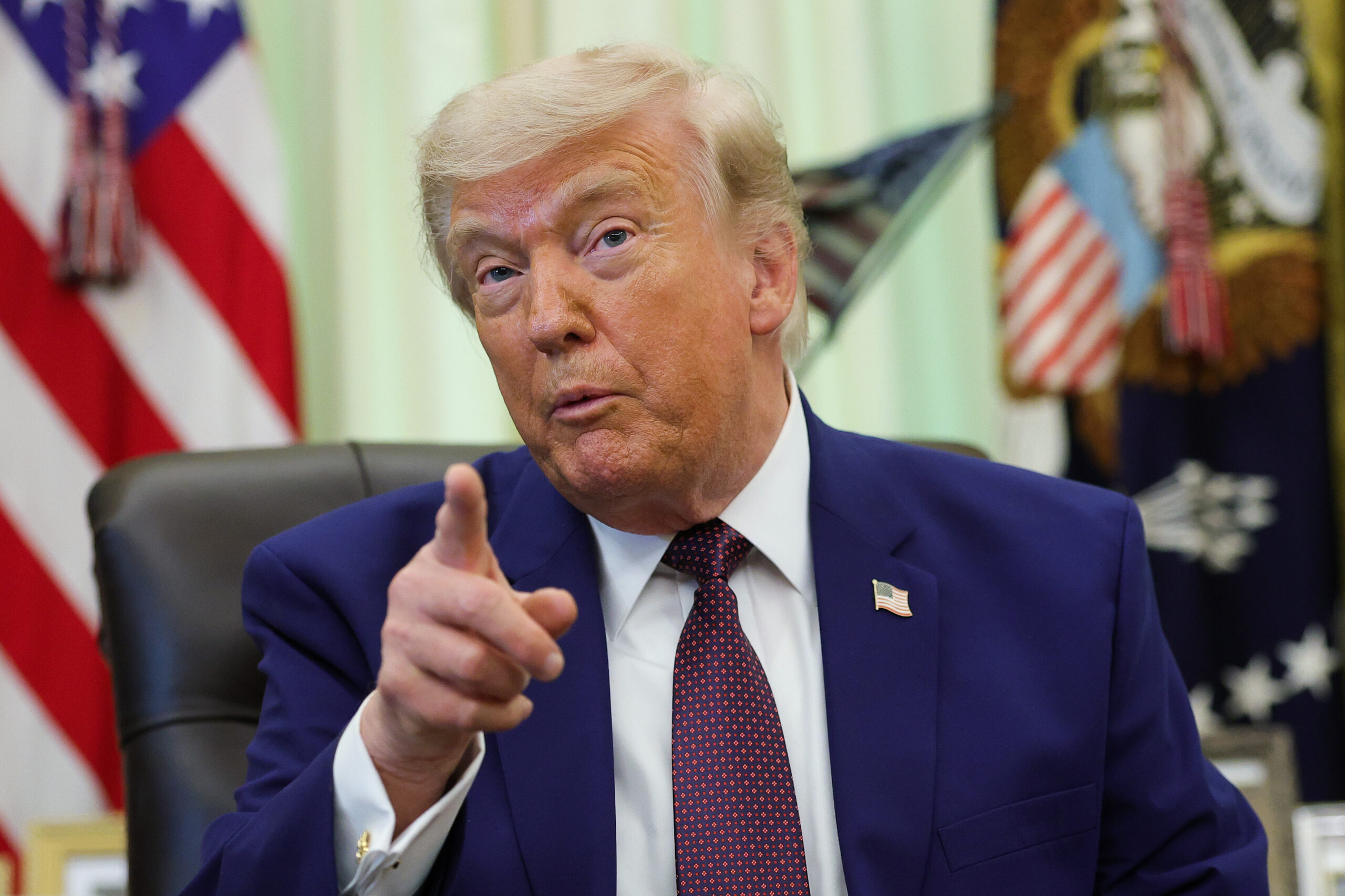

President Donald Trump is continuing to expand his administration’s focus on AI across the federal government, private sector, and higher education.
On April 24, 2026, the U.S. Department of Justice filed papers to join plaintiffs in xAI v. Weiser, which seeks to block Colorado’s Anti-Discrimination in AI Act (SB 24-205). Critics say the move threatens key protections against AI-driven discrimination designed to protect workers and job seekers, Human Resources Director (HRD) reports.
The law requires companies to identify and address algorithmic bias in hiring, healthcare, housing, and other high-impact decisions. While initially set to take effect on June 30, 2026, Colorado Governor Jared Polis delayed implementation until Jan. 1, 2027, according to Hunton’s Privacy & Cybersecurity Law Blog.
Signed into law in May 2024, Colorado’s AI Act became the nation’s first comprehensive law regulating algorithmic discrimination, per HRD. It imposes requirements on developers and users of high-risk AI systems, including tools used to screen applicants, rank candidates, evaluate performance, and make decisions about promotions or benefits.
xAI, Elon Musk’s AI company, filed a lawsuit in federal court on April 9, 2026, arguing that Colorado’s AI Act violates the First Amendment by compelling developers to alter AI systems to avoid disparate outcomes, according to HRD. The company also claimed the law is overly vague and places undue burdens on interstate commerce.
For its part, the Justice Department argues that AI anti-bias requirements may themselves constitute unlawful discrimination and violates the Fourteenth Amendment’s Equal Protection Clause by effectively requiring AI companies to consider protected characteristics such as race, sex, and religion. According to Axios, the federal government has not stepped into a lawsuit challenging a state’s regulation of AI before.
The DEI Debate At The Center Of The AI Lawsuit
A key point of contention is the law’s exemption for AI tools designed to promote diversity or address historical discrimination. The DOJ argues this creates an unconstitutional double standard, while supporters view it as a safeguard against discriminatory outcomes.
The lawsuit aligns with the Trump administration’s broader efforts to roll back diversity, equity, and inclusion (DEI) initiatives. Since taking office in January 2025, Trump has signed several executive orders dismantling federal DEI programs and scrutinized private-sector diversity efforts, AFROTECH™ previously reported.
In December 2025, Trump signed “Ensuring a National Policy Framework for Artificial Intelligence,” an executive order promoting a unified national approach to AI regulation, per AFROTECH™. The order specifically cited Colorado’s AI Act as an example of ideological bias, arguing that it could force AI systems to generate “false results” to avoid disparate impacts on protected groups.
“A carefully crafted national framework can ensure that the United States wins the AI race, as we must,” Trump wrote in the order. “Until such a national standard exists, however, it is imperative that my Administration takes action to check the most onerous and excessive laws emerging from the States that threaten to stymie innovation.”
As AI becomes increasingly embedded in hiring, healthcare, housing, and other high-stakes decisions, the challenge to Colorado’s law highlights the Trump administration’s broader push to limit DEI-focused policies while reshaping the government’s role in regulating AI.